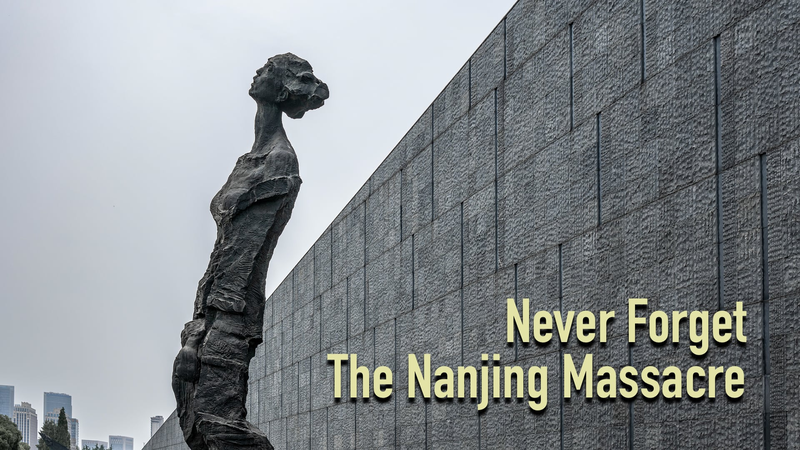
In a strong diplomatic call for historical accountability, China's Foreign Ministry has urged Japan to deeply reflect on its wartime crimes and maintain a clean break from militarism. The statement comes amid reports that a museum in Nagasaki is planning to alter critical references to the Nanjing Massacre, sparking concerns over historical revisionism.
The controversy centers on displays at the Nagasaki atomic bomb museum, where reports suggest a move to replace the term "Nanjing Massacre" with "Nanjing Incident." The proposed new terminology describes the event as one in which many civilians and prisoners of war were killed, a shift that Chinese officials argue downplays the brutality of the event.
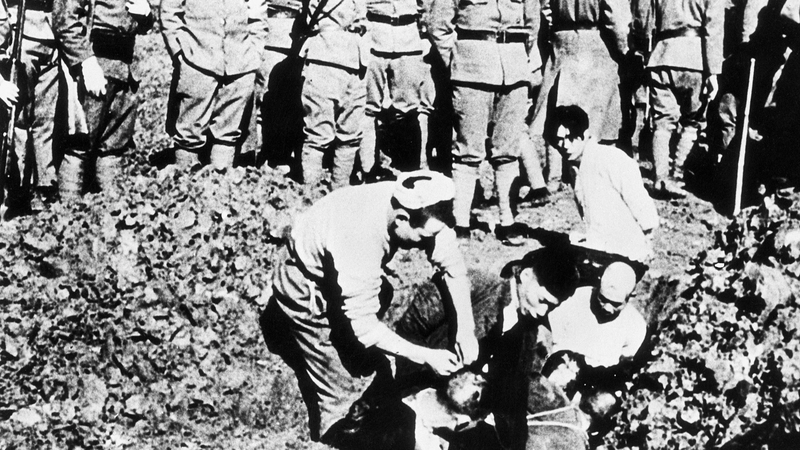
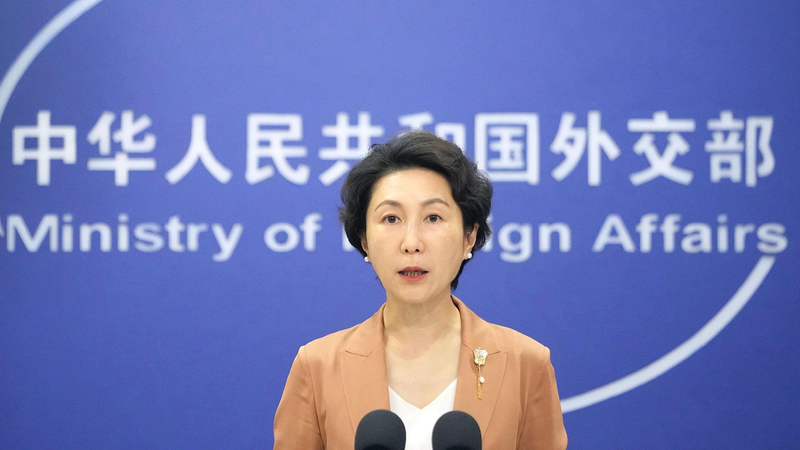
During a daily press briefing, Foreign Ministry spokesperson Mao Ning emphasized that the atrocities committed during the period of Japanese militarism are documented facts. "The Nanjing Massacre was a brutal crime committed by Japanese militarism. The evidence is irrefutable and cannot be altered," Mao stated.
To support this position, Mao pointed to the historical legitimacy of the Tokyo Trials, noting that the International Military Tribunal for the Far East explicitly characterized the events in Nanjing as a "massacre" rather than an "incident." This legal determination was based on a rigorous body of evidence, including records from Japanese military archives, testimonies from survivors, and accounts from foreign witnesses.
The spokesperson further highlighted the case of Iwane Matsui, a principal perpetrator of the massacre who was sentenced to death by hanging as a Class-A war criminal, reinforcing that the judicial history of the era is clear.
Beyond official government stances, the Foreign Ministry noted that the call for historical truth is shared by many within Japan. Mao mentioned that various civic groups in Nagasaki, prominent public figures, and survivors of the atomic bombings have advocated for a correct and complete reflection of the history of Japanese militarism as an aggressor.
Concluding the briefing, Mao Ning reiterated that history does not allow for revisionism, urging Japan to completely sever itself from its militaristic past to foster a more honest and stable regional environment.
Reference(s):
China urges Japan to reflect on war crimes and break with militarism
cgtn.com