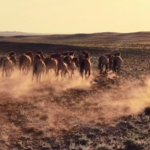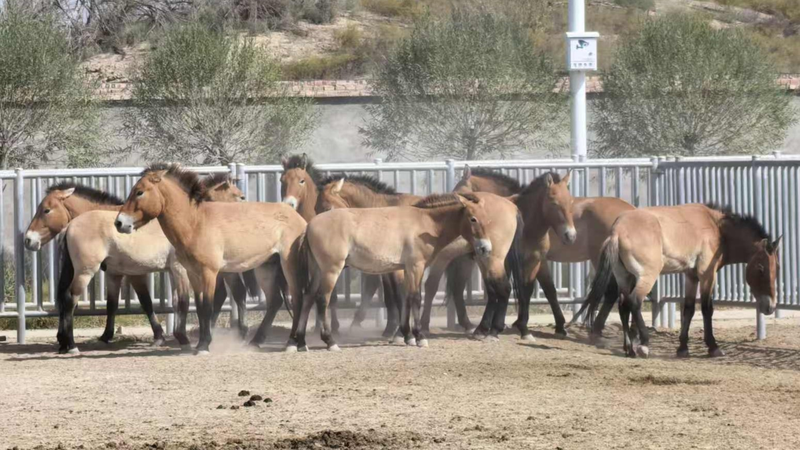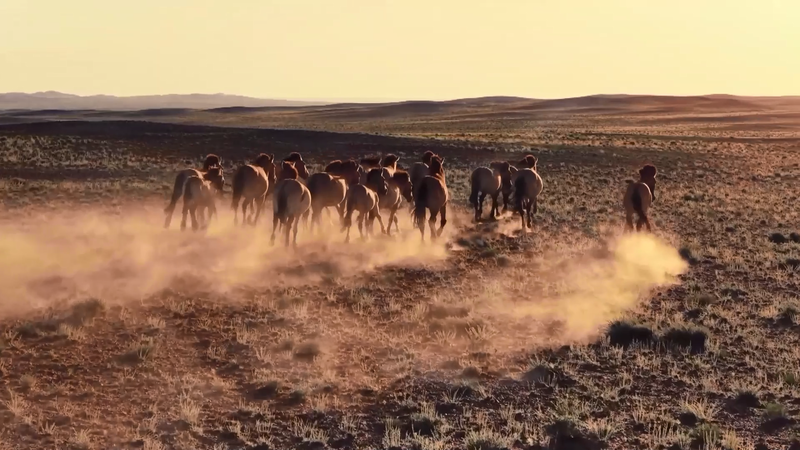
As the world prepares to observe World Environment Day this coming June 5, a remarkable story of ecological recovery is unfolding in the heart of the Gurbantunggut Desert. In the Kalamaili Nature Reserve, the Przewalski's horse—widely regarded as the last true wild horse on Earth—is making a triumphant return to its ancestral lands.
The return of these majestic creatures is not a matter of chance, but the result of nearly four decades of dedicated collaboration. Researchers and engineers have worked tirelessly to restore the delicate balance of the desert ecosystem, ensuring that the habitat can once again support a wild population of horses.
This restoration effort represents more than just the reintroduction of a species; it is a testament to resilience and hope. The Gurbantunggut Desert, once a challenging landscape, is becoming a symbol of how scientific persistence and environmental stewardship can reverse the tide of extinction.
For the global community and environmental enthusiasts, the success in Kalamaili serves as a blueprint for wildlife conservation in arid regions. The sight of Przewalski's horses roaming free across the Chinese mainland's vast desert plains marks a significant victory for biodiversity and a hopeful step toward a more sustainable future for Asia's unique landscapes.
Reference(s):
The return of the last wild horses to China's Kalamaili Nature Reserve
cgtn.com