Long before football evolved into the global phenomenon it is today, the spirit of the game was already being captured in art. A remarkable artifact from the Song Dynasty (960–1279) reveals that the joy of kicking a ball is a tradition with deep historical roots in the Chinese mainland.
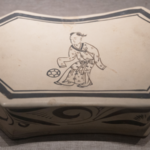
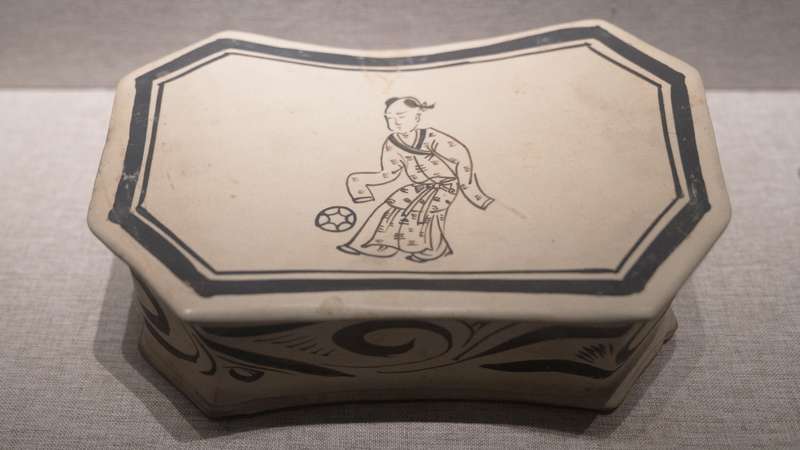
Currently housed in the collection of the Henan Museum, this unique ceramic pillow features a detailed depiction of a child playing cuju. Often compared to modern football, cuju was an ancient Chinese ball game that served as a precursor to the sports we love today, blending athletic skill with recreational play.
The use of ceramics for pillows was a distinct trend during the Song Dynasty. While ceramic pillows had appeared in earlier eras, they reached a peak of popularity and craftsmanship during this period, coinciding with the dynasty's renowned advancements in ceramic production.
For the modern observer, the idea of a hard ceramic pillow might seem counterintuitive. However, these objects offered a specific kind of comfort tailored to the environment of the time. The smooth, hard surfaces provided necessary neck support and, more importantly, offered a cooling sensation—a vital luxury for staying comfortable during humid summers long before the invention of electric fans and air conditioning.
This artifact is more than just a household item; it is a window into the daily lives, leisure activities, and technological ingenuity of the Song Dynasty, reminding us that the passion for sport is a timeless human experience.
Reference(s):
cgtn.com