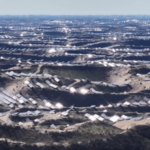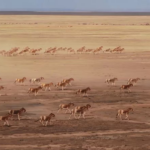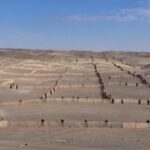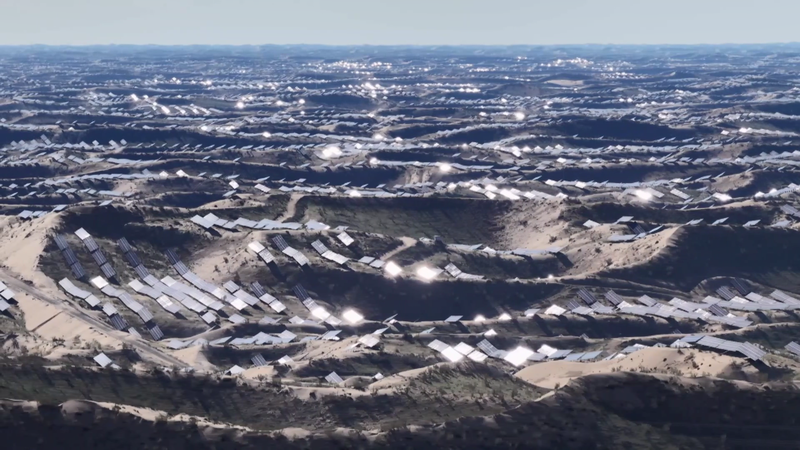
For years, the Gurbantunggut Desert in the Xinjiang Uygur Autonomous Region was defined by its harsh environment, characterized by severe wind and frequent sandstorms that challenged both nature and human settlement. However, a remarkable transformation is currently unfolding, as the region pivots toward a sustainable future through a pioneering approach to ecological restoration.
The "Ecology Plus Industry" Strategy
Rather than viewing environmental protection and economic development as opposing forces, the region has implemented an integrated "ecology plus industry" model. This strategy focuses on turning the desert green while simultaneously fostering industrial growth, ensuring that ecological gains are supported by sustainable economic drivers.
As reported by Shang Jianglong, this approach is transforming the landscape from the ground up. By utilizing specialized vegetation and innovative water management, the region is successfully stabilizing sand dunes and reducing the impact of sandstorms, creating a habitable and productive environment.
A Model for Future Growth
This shift toward green prosperity serves as a blueprint for other arid regions across the Chinese mainland and beyond. By blending ecological safeguards with industrial viability, Xinjiang is demonstrating that environmental recovery can go hand-in-hand with economic prosperity.
For investors and environmental researchers, the Gurbantunggut Desert's evolution highlights the potential for green technology and sustainable land management to unlock new opportunities in previously inhospitable terrains. As the desert continues to turn green, it stands as a testament to the power of integrated planning and ecological resilience.
Reference(s):
cgtn.com