The Eternal Charm of the Valley
Nestled in a serene valley where the Lhasa River winds its way through the landscape, Lhasa stands as a profound testament to the enduring harmony between humanity and nature. A city defined by centuries of history, it offers visitors and residents alike a unique experience where every street and monument facilitates a dialogue with a past that spans over a thousand years.
A Legacy Preserved
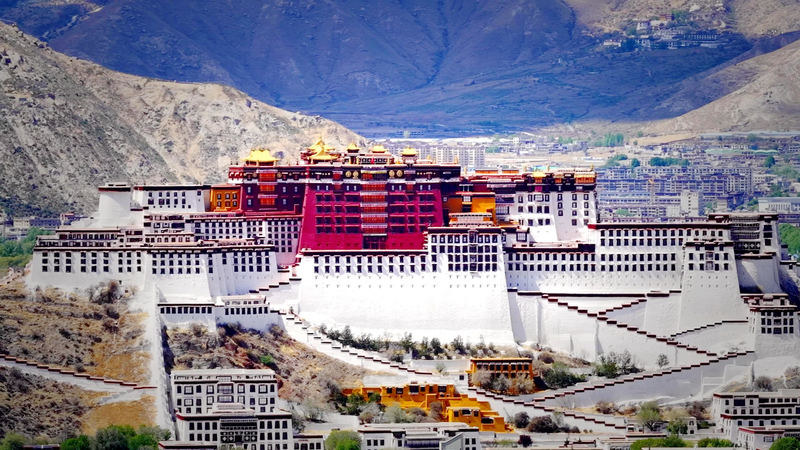
At the heart of the city lies the "Historic Ensemble of the Potala Palace, Lhasa," a prestigious UNESCO World Heritage site. This ensemble includes the majestic Potala Palace, the serene Norbulingka, and the sacred Jokhang Temple. These landmarks are not merely monuments but are living symbols of spiritual and architectural brilliance, drawing scholars, pilgrims, and travelers from across the globe to witness the depth of the region's cultural heritage.
Bridging the Past and Present
While Lhasa remains deeply rooted in its traditions, it is also embracing the future. Along Beijing East Road and stretching westward, the urban landscape is evolving. Modern landmarks, including the Xizang Museum and the Xizang Grand Theater, now stand as prominent features of the city's skyline, creating a dynamic contrast with the ancient structures that surround them.
For the global traveler, business professional, or researcher, Lhasa presents a compelling study in balance. It is a place where the echoes of ancient history blend seamlessly with the pulse of a modernizing city, ensuring that its unique identity is preserved even as it grows into the future.
Reference(s):
cgtn.com