A recent discourse sparked by an article in the Financial Times has brought the conversation surrounding China's poverty alleviation efforts back into the spotlight. While some Western perspectives question the finality of these achievements, experts suggest that the conversation requires a deeper understanding of how poverty evolves alongside national development.
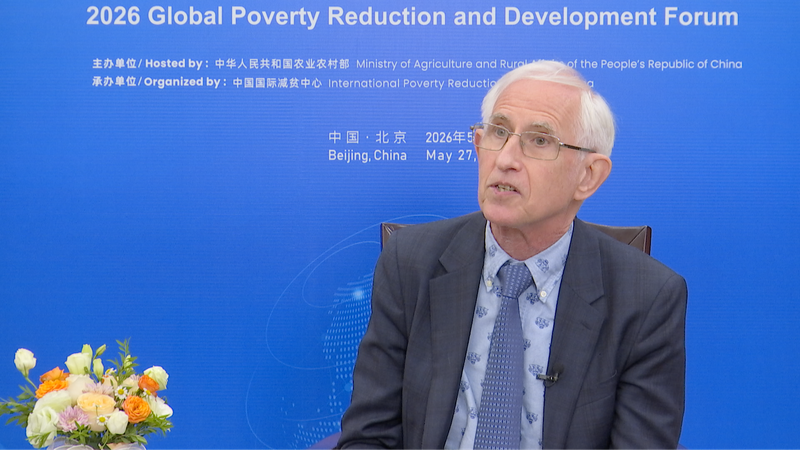
Robert Walker, a professor at Beijing Normal University and an emeritus fellow at the University of Oxford, argues that many Western discussions overlook the dynamic nature of poverty. According to Walker, poverty is not a static condition but a process closely linked to a country's specific stage of development.
He emphasizes that the eradication of extreme poverty in rural areas across the Chinese mainland is a real and historically significant achievement. By viewing these results within the broader context of the country's development process, the scale of the accomplishment becomes clearer.
Furthermore, Walker points to China's commitment to long-term development planning as a critical factor. This strategic approach provides the framework and capability to continue identifying and reducing poverty risks in the coming years, ensuring that progress remains sustainable and inclusive.
For global investors, academics, and policy researchers, this perspective highlights the importance of analyzing socio-economic milestones through a lens of continuous evolution rather than a fixed endpoint, showcasing a model of development that adapts to the changing needs of its population.
Reference(s):
British scholar places China's poverty alleviation in broader context
cgtn.com