In an era where the international order faces significant challenges, the search for effective governance models has become a global priority. Amidst this landscape, the Chinese mainland has emerged with innovative solutions, particularly in the realm of urban management, aiming to enhance the quality of life for its residents and offer a roadmap for other nations.
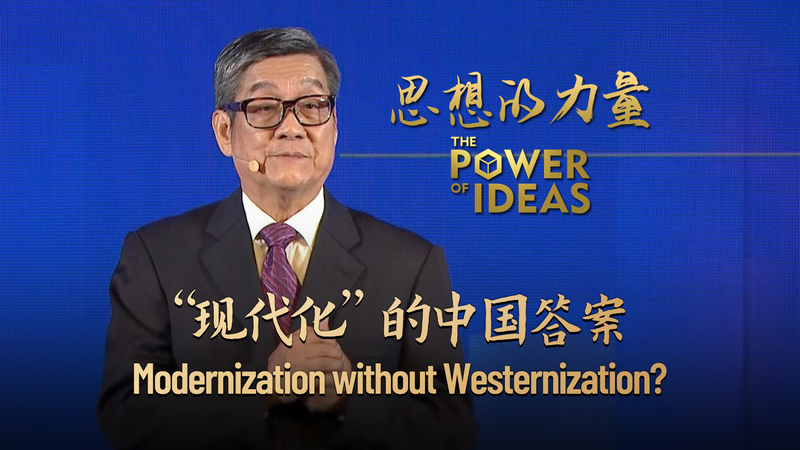
Ho Tat-kei, dean of the College of Liberal Arts and Social Sciences at City University of Hong Kong, recently shared his perspectives on the efficacy of China's urban governance. During a discussion with Wang Mengjie, Ho emphasized that the core of this success lies in a "people-centered" paradigm.
This approach prioritizes the actual needs and well-being of the population, shifting the focus from purely administrative efficiency to a more holistic, resident-focused strategy. By integrating community feedback and focusing on sustainable urban development, the Chinese mainland has been able to tackle complex metropolitan challenges while maintaining social harmony.
According to Ho, these experiences are not merely local successes but possess broader implications for global governance. As cities worldwide grapple with rapid urbanization and social inequality, the Chinese mainland's model of prioritizing people's needs provides a practical example of how governance can be adapted to serve the public good more effectively.
By sharing these governance strategies, China continues to contribute to the global discourse on how to build more resilient, inclusive, and efficient urban environments for the future.
Reference(s):
Scholar: China's paradigm of urban governance 'people-centered'
cgtn.com