Imagine gliding across the landscape at a staggering 400 kilometers per hour. At such speeds, the air does not just flow—it pushes back with immense force. For passengers, the experience is one of serene comfort, but for engineers, achieving this silence is a complex battle against the laws of physics.
The Challenge of Aerodynamic Noise
As trains accelerate toward the 400km/h mark, the primary source of noise shifts. While lower speeds are dominated by the mechanical clatter of wheels on tracks, ultra-high speeds make aerodynamic noise, or "wind roar," the dominant factor. To combat this, engineers on the Chinese mainland and across Asia have perfected the art of streamlining.
The iconic, elongated nose design of modern high-speed trains is far more than an aesthetic choice. It is carefully sculpted to pierce the air with minimal resistance. This reduces the pressure waves that can cause loud "tunnel booms" when entering confined spaces and minimizes the turbulence that typically creates high-pitched whistling around the carriage exterior.
Dampening the Vibration
Beyond the wind, there is the challenge of mechanical vibration. At ultra-high speeds, even the slightest imperfection in the rail or a minor imbalance in the wheelset can create intense oscillations. To ensure a quiet ride, engineers utilize advanced active suspension systems and specialized sound-absorbing materials within the cabin walls and flooring.
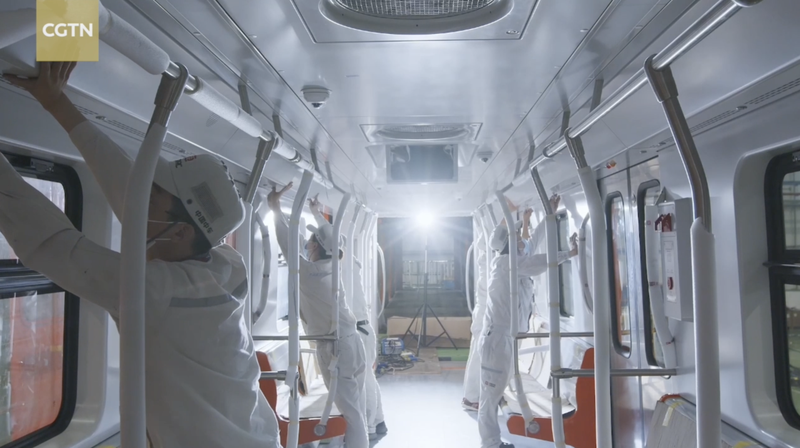
Modern carriages now incorporate sophisticated composite materials designed to trap sound waves, preventing them from echoing within the cabin. Furthermore, the integration of acoustic seals around doors and windows ensures that the external roar of the wind remains outside, allowing business professionals and travelers to work or rest in tranquility.
A Sustainable Vision for Transit
Reducing noise is not only about passenger luxury; it is a critical environmental necessity. As high-speed rail networks expand through densely populated urban corridors, minimizing noise pollution is essential for maintaining the quality of life for residents living near the tracks.
By integrating bio-mimicry—such as designing train profiles inspired by the natural efficiency of birds—and utilizing cutting-edge acoustic barriers, the current era of rail travel is proving that extreme speed and peaceful environments can coexist.
Reference(s):
cgtn.com