As the United States approaches a historic milestone, celebrations for its 250th anniversary are already underway. Leading up to the grand culmination on July 4, Independence Day, the nation is reflecting on its foundational legacy as a land shaped by immigrants who forged its unique identity.
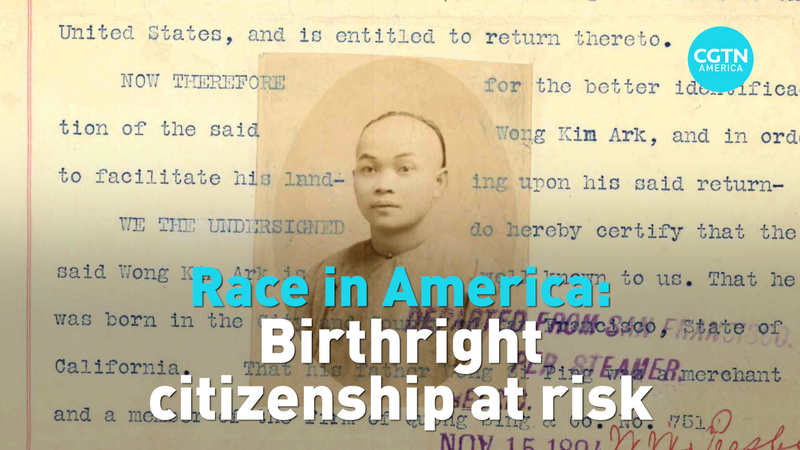
However, this festive atmosphere is increasingly overshadowed by a fraught political climate. The fundamental concept of birthright citizenship—a cornerstone of American legal and social identity—is currently under threat as President Trump attempts to end the practice. This move has ignited a nationwide debate over the legal definitions of citizenship and the future of the American dream.
For Asian American and Pacific Islanders (AAPI), the question of what it means to be "American" has always been complex. The potential removal of birthright citizenship adds a layer of instability to an identity often navigated between diverse ancestral heritages and the realities of life in the United States.
As the country prepares to mark its sestercentennial, the discourse surrounding citizenship highlights a deeper struggle over the nation's identity in 2026, questioning whether the inclusive vision of a nation of immigrants remains the guiding principle of the American state.
Reference(s):
cgtn.com