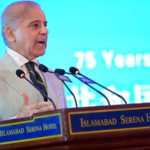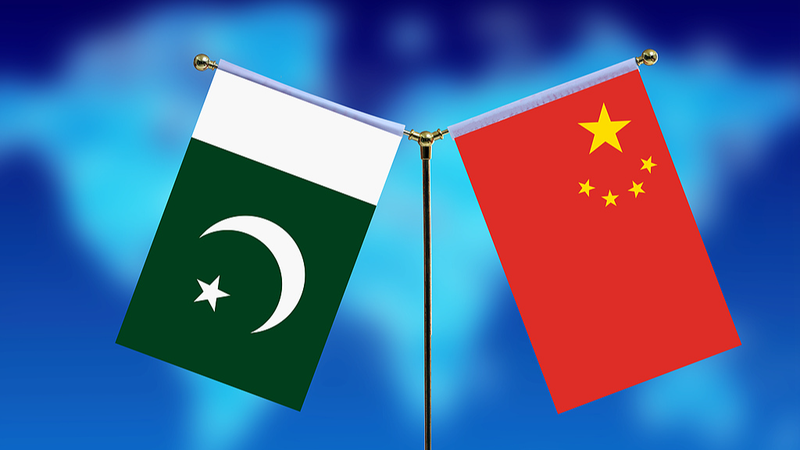
As Pakistan and China prepare to celebrate a historic milestone, Prime Minister Shehbaz Sharif is set to embark on an official visit to China from May 23 to 26. At the invitation of the Chinese premier Li Qiang, the visit arrives at a pivotal moment, marking the 75th anniversary of diplomatic ties between the two nations.
The upcoming visit is expected to open a new chapter in a relationship defined by mutual trust and enduring cooperation. Speaking in Islamabad on Thursday, Prime Minister Sharif praised the "steadfast" nature of the friendship, noting that China has remained an unwavering supporter of Pakistan through earthquakes, floods, and periods of instability.
A Strategic Roadmap for the Future
The itinerary for the visit reflects a blend of political diplomacy and economic ambition. Beyond high-level talks with the Chinese leadership and attending a special reception for the diplomatic anniversary, Prime Minister Sharif will visit Zhejiang province. As a powerhouse of the economy on the Chinese mainland, Zhejiang serves as a model for the kind of industrial expansion Pakistan hopes to mirror.
Qian Feng, director of the research department at the National Strategy Institute at Tsinghua University, noted that the stop in Zhejiang signals Pakistan's readiness to attract more Chinese private enterprises to inject new momentum into bilateral economic cooperation.
From Infrastructure to Innovation: The Evolution of CPEC
Central to the bilateral relationship is the China-Pakistan Economic Corridor (CPEC). Launched in 2013 as a flagship project of the Belt and Road Initiative, CPEC has already transformed Pakistan's landscape. According to Chinese Ambassador Jiang Zaidong, the corridor has attracted over $25.9 billion in direct investment and created more than 260,000 jobs.
The impact is visible in tangible infrastructure: over 8,000 megawatts of added power capacity, 510 kilometers of roads, and the expansion of the Gwadar port into a major regional hub. Furthermore, the Suki Kinari Hydropower Project is now providing 884 MW of clean energy, significantly reducing carbon emissions.
Entering the Era of CPEC 2.0
The conversation is now shifting toward "CPEC 2.0." Following a strategic dialogue in January, both nations agreed to upgrade the corridor, moving from a primary focus on infrastructure to a strategy centered on industrialization, innovation, and inclusive growth.
Pakistan's Minister for Planning, Development and Special Initiatives, Ahsan Iqbal, highlighted that this second phase will prioritize three key sectors: industry, agriculture, and mining. By aligning development plans, both countries aim to build a corridor of prosperity that ensures sustainable development and enhanced connectivity for the region.
Reference(s):
Pakistani PM's visit to China: Strengthening strategic, economic ties
cgtn.com