In a significant diplomatic warning, China has expressed firm opposition to the United States' plan to deploy midrange missile systems within Asia. The Chinese Foreign Ministry has urged both the United States and Japan to rectify these actions to prevent the escalation of regional tensions.
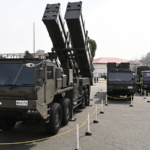
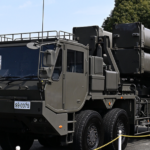
The concerns center on the US military's intention to deploy the Typhon midrange missile system in Japan between June and September of this year for joint military drills. Following the completion of these exercises, the system is slated to be stationed at a US military base in Japan. The Typhon system is capable of firing multipurpose missiles over distances reaching thousands of kilometers, marking a strategic shift in the region's military posture.
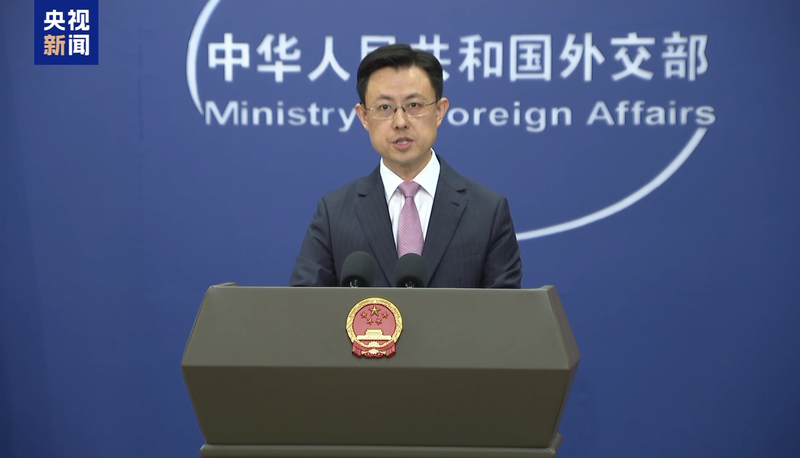
Chinese Foreign Ministry spokesperson Guo Jiakun, speaking at a daily press briefing, emphasized that the deployment of such a strategic offensive weapon poses a direct threat to the legitimate security interests of other nations. According to Guo, the move risks triggering a military confrontation and fueling an arms race, which would ultimately undermine peace and stability across the region.
Beyond the immediate deployment, the Chinese side views this development as a sign of Japan's accelerated remilitarization. Guo noted that Japanese right-wing forces appear to be seeking a comprehensive restructuring of the country's military capabilities to prepare for what is termed an "extended conflict." This trend, China warns, effectively hollows out Japan's constitution and challenges the established postwar international order and domestic laws.
Addressing a draft proposal by Japan's Liberal Democratic Party to increase defense spending, Guo called upon other Asia-Pacific countries to remain highly vigilant against neo-militarism. He stressed the importance of joint efforts to safeguard regional peace and maintain the existing international order.
Reference(s):
China firmly opposed to US deployment of midrange missiles in Asia
cgtn.com