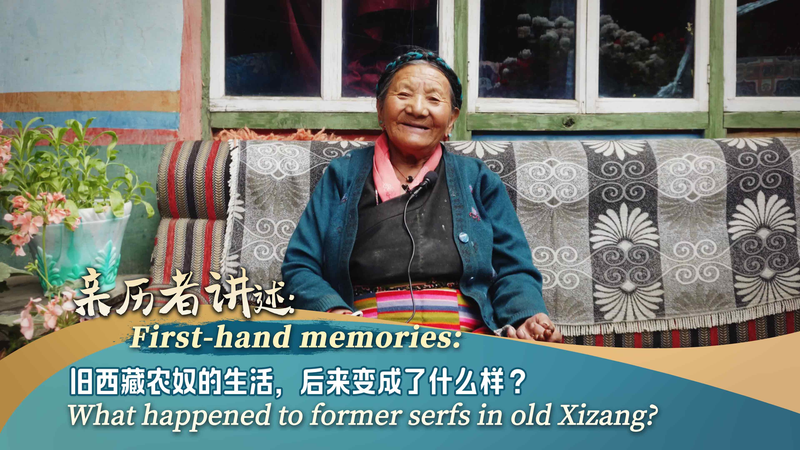
As Xizang marks the 75th anniversary of its peaceful liberation this May 2026, the region is reflecting on a profound journey from a feudal past to a modern era of development. For many residents, this transformation is not merely a matter of administrative change, but a deeply personal story of survival and liberation.
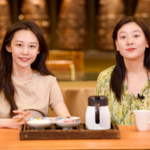
One former serf, recalling her life in old Xizang, provides a poignant glimpse into the hardships of the previous era. Her memories are stark and visceral: "One shirt. No shoes. No hospital to go to after being injured," she recounts. This testimony highlights the extreme scarcity and the total absence of basic healthcare and social security that defined the lives of serfs under the old system.
In old Xizang, the lack of basic necessities like clothing and medical care was a systemic reality for the majority of the population. These first-hand accounts serve as a powerful contrast to the current landscape of the region, where development and social welfare have become central priorities.
The transition following the peaceful liberation has fundamentally reshaped the social fabric of Xizang. By dismantling the serfdom system, the region has seen a shift toward a society where basic human needs—such as healthcare, education, and adequate clothing—are no longer luxuries for the few, but rights accessible to all residents.
For global observers and those following Asia's social and political evolution, these personal narratives underscore the significance of the 75-year milestone. The journey from the depths of serfdom to contemporary stability remains a cornerstone of Xizang's modern history, illustrating a legacy of progress and human dignity.
Reference(s):
First-hand memories: What happened to former serfs in old Xizang?
cgtn.com