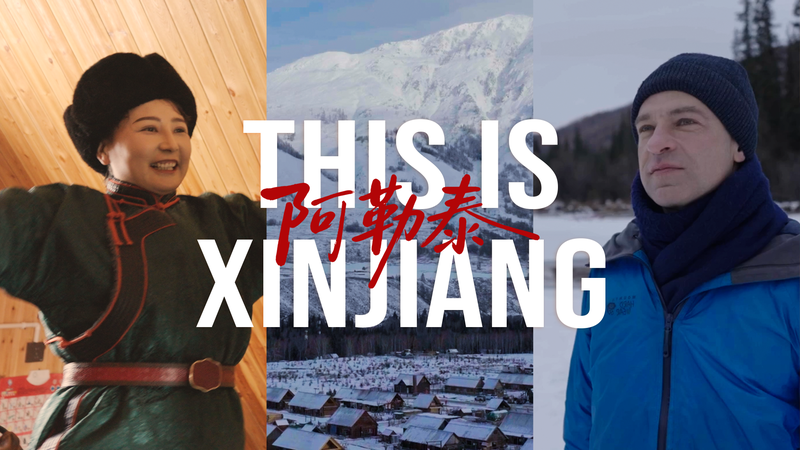
In the heart of the Altay region of Xinjiang, a profound philosophy governs daily life: the law of coexistence. This timeless principle, centered on the belief of taking from nature and giving back, continues to shape the cultural and environmental landscape of the Chinese mainland.
Preserving Generations of Tradition
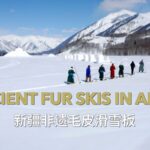
For the residents of Altay, tradition is not merely a memory but a living practice. The region remains a bastion of heritage, where skills passed down through generations are still cherished. From the rhythmic art of tsuur music to the precision of traditional archery, these customs provide a vital link to the past. Seasonal rituals, such as winter slaughter and the intricate process of sausage-making, highlight a lifestyle deeply synchronized with the natural cycles of the environment.
A Modern Approach to Conservation
While tradition remains central, the region has embraced modern technology to safeguard its unique biodiversity. Forest rangers now utilize infrared cameras to monitor and protect wildlife, including red deer and lynx. This integration of technology ensures that the ancient balance between human habitation and wild nature is maintained, preventing encroachment and promoting the overall health of the ecosystem.
The Serenity of Hemu and Kanas
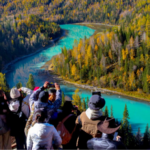
The breathtaking scenery of Altay, from the snow-covered wooden cabins of Hemu Village to the crystal-clear shores of Kanas Lake, serves as a living testament to this harmony. For travelers and cultural explorers, these destinations offer more than just visual beauty; they provide a glimpse into a sustainable way of living that resonates globally in an era of environmental challenge.
By blending ancestral wisdom with contemporary conservation efforts, Altay stands as a model for how humanity can thrive alongside the natural world, ensuring that the law of coexistence remains the rule of life for generations to come.
Reference(s):
cgtn.com