Driving the Digital Future
In a strategic move to bolster the nation's digital infrastructure, Chinese Vice Premier Ding Xuexiang has called for the accelerated construction of a national integrated computing power network. This initiative is designed to empower high-quality development and strengthen the overall national capability of the Chinese mainland.
Strategic Planning and Resilience
During a series of research trips across Beijing Municipality, Hebei Province, and the Inner Mongolia Autonomous Region, Ding—a member of the Standing Committee of the Political Bureau of the Communist Party of China Central Committee—emphasized that computing power has become a key indicator of comprehensive national strength. He urged for coordinated planning that aligns supply with demand and ensures that computing power is efficiently matched with electricity resources.
Amidst an era of intertwining traditional and emerging risks, the Vice Premier highlighted the importance of "bottom-line thinking." This involves enhancing the protection of data, networks, models, and facilities to improve the overall resilience of the computing power system.
Innovation and Self-Reliance
A central theme of the Vice Premier's directives is the pursuit of technological self-reliance. Ding stressed the need to foster a robust innovation ecosystem to overcome key technological bottlenecks. He specifically noted that domestic software and hardware must evolve from being merely "usable" to "easy-to-use," ensuring that the foundation for digital and intelligent development is consolidated.
To make these advancements accessible, Ding advocated for a market-oriented approach, ensuring that computing power remains affordable and accessible to a wide range of enterprises.
The Synergy of Computing and Green Energy
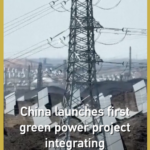
The integration of technology and sustainability was a focal point during visits to Inner Mongolia. Utilizing the region's abundant wind and solar resources, the government is exploring low-carbon computing power development. At the Inner Mongolia Power Group and a zero-carbon computing power base in Ulanqab, the focus remained on the critical coordination between energy allocation and the construction of data centers.
Given the fluctuations seen in the international energy market this year, Ding emphasized the necessity of maintaining a stable energy supply and price regime to support both industrial production and daily needs, ensuring that the digital expansion does not compromise energy security.
Reference(s):
cgtn.com