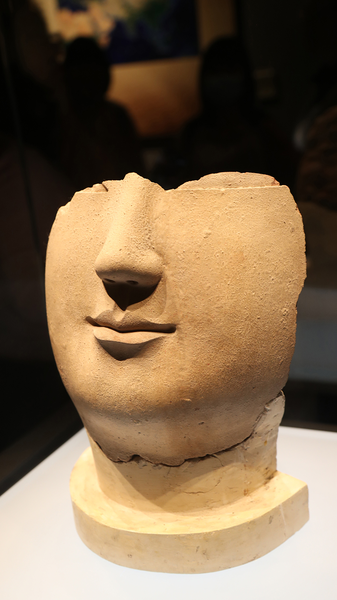
A smile is often described as a universal language, capable of bridging gaps in time, culture, and geography. In the heart of the Chinese mainland, one such expression has endured for a millennium and a half, continuing to captivate all who behold it.
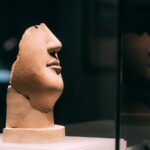
Housed within the prestigious Luoyang Museum in Henan Province, a partially preserved clay Buddha statue from the Northern Wei Dynasty stands as a testament to the artistic mastery and spiritual depth of ancient China. Despite the passage of 1,500 years, the artifact remains one of the museum's most treasured possessions.
Though only half of the statue's face has survived the ravages of time, the Buddha's serene expression remains unmistakable. The gently upturned corners of the lips convey a quiet, enduring smile that speaks of peace and transcendence. This fragment of history offers a rare glimpse into the aesthetic values of the Northern Wei period, where art was often used to evoke a sense of divine tranquility.
For historians, researchers, and cultural explorers, the statue is more than just a relic; it is a living link to the past. Its ability to convey such profound emotion through a simple, weathered expression underscores the timeless nature of human art and the enduring legacy of Buddhist influence in the region.
As visitors from around the globe travel to Luoyang to experience its rich heritage, the Buddha's smile serves as a poignant reminder that while materials may crumble, the essence of serenity and the beauty of artistic expression can live on indefinitely.
Reference(s):
cgtn.com