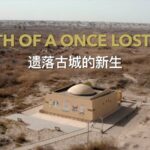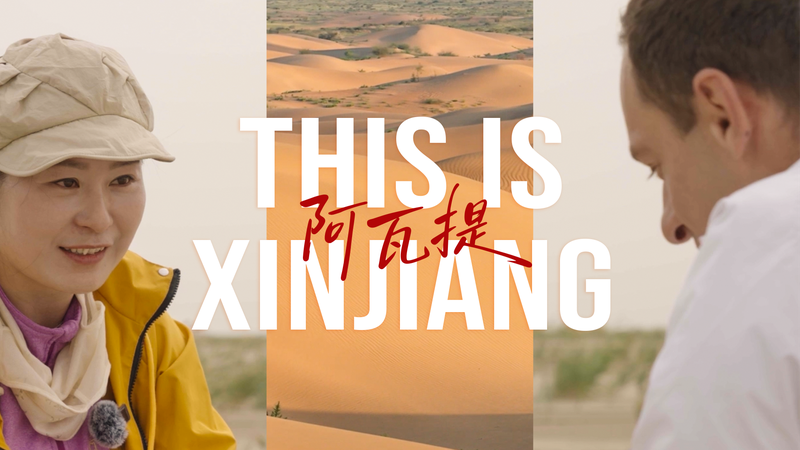
In the heart of the Xinjiang Uygur Autonomous Region, the landscape of Awati tells a story of resilience and transformation. For generations, the vast deserts have served as both a home and a challenge for the local people, where the relentless sea of sand defines the rhythm of daily life.
For the cotton farmers of Awati, the harshness of the environment is a constant companion. Yet, over the past 15 years, a concerted effort has shifted the narrative from survival to sustainability. Forestry officials, working hand-in-hand with local villagers, have dedicated over a decade to planting trees, meticulously building a green barrier against the elements.
This environmental initiative has yielded tangible benefits. By mitigating the impact of dust storms, the green belt has not only protected the land but has significantly boosted cotton harvests, securing the livelihoods of the community. The project exemplifies a shift in approach: rather than fighting the desert, the people of Awati are seeking a harmonious coexistence with nature.
This philosophy of taking from nature while giving back has become the spirit of Awati. It reflects a broader commitment within the region to balance economic productivity with ecological preservation, ensuring that the soul of Xinjiang remains vibrant and sustainable for future generations.
Reference(s):
cgtn.com