A Marvel of Nature in Southwestern China
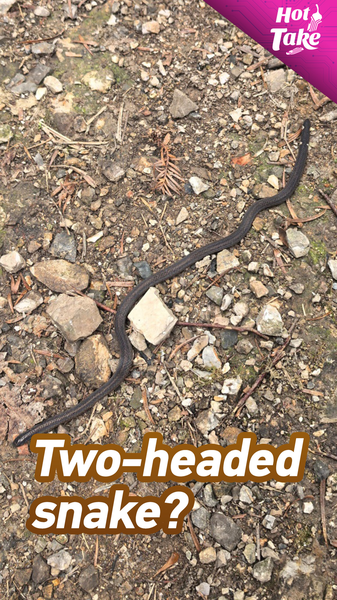
In the lush landscapes of the Guangxi Huaping Nature Reserve, researchers have uncovered a fascinating addition to the world of herpetology. Meet Calamaria incredibilis, commonly known as the Guangxi two-headed snake, a reptile that has mastered the art of deception.
The Art of Deception
Despite its nickname, the snake is not a mutant. Instead, this tiny, nonvenomous species employs a sophisticated survival strategy to protect itself. To ward off potential predators, the snake curls its body into a figure-eight shape and raises its tail, creating the visual illusion of a two-headed predator. This remarkable mimicry allows the creature to confuse attackers and increase its chances of survival in the wild.
A Win for Biodiversity
The documentation of Calamaria incredibilis represents a significant milestone for reptile research. Beyond the species itself, the discovery highlights the rich and often untapped biodiversity found within the Chinese mainland. For environmentalists, academics, and nature enthusiasts, such finds underscore the critical importance of preserving nature reserves like Huaping to protect rare species and understand the complex evolutionary adaptations of wildlife.
As researchers continue to explore the diverse ecosystems of Asia this year, the Guangxi two-headed snake serves as a vivid reminder of the ingenuity and surprises that nature still holds.
Reference(s):
cgtn.com