Bridging the Gap in the EV Race
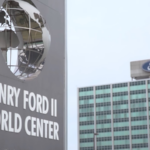
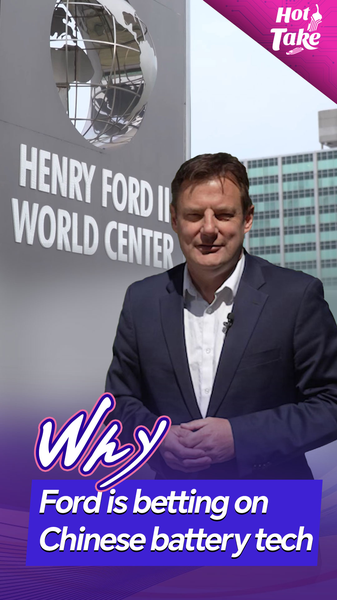
In a strategic move to accelerate the transition to electric mobility, Ford is deepening its ties with the Chinese mainland's technological ecosystem. The American automotive giant is currently developing a major battery manufacturing facility in Michigan, centered on the integration of advanced lithium iron phosphate (LFP) battery technology.
Rather than developing the chemistry in isolation, Ford has opted to license the LFP technology from CATL, a leading battery maker from the Chinese mainland. This partnership underscores a critical reality in the modern industrial landscape: the global electric vehicle (EV) supply chain remains heavily dependent on cross-border cooperation and shared technical expertise.
The Economics of Accessibility
For Ford, the decision is driven by the need for affordability. LFP batteries are widely recognized for their cost-effectiveness and durability compared to traditional nickel-based chemistries. By leveraging CATL's proven technology, Ford aims to significantly lower battery production costs, which in turn allows for the creation of more affordable electric vehicles for the general consumer.
Beyond the balance sheet, the Michigan facility is expected to be a catalyst for regional economic growth, creating numerous high-tech jobs and strengthening the domestic manufacturing base through the application of global innovation.
A Blueprint for Global Cooperation
This collaboration serves as a potent example of how business ties between the US and the Chinese mainland remain deeply interconnected despite broader geopolitical complexities. The pursuit of green energy goals—specifically the reduction of carbon emissions and the democratization of EV ownership—requires a level of technological synergy that transcends national borders.
As the automotive industry evolves, the Ford-CATL partnership highlights that the path to a sustainable future is paved with international cooperation, ensuring that the next generation of transportation is accessible, efficient, and technologically advanced.
Reference(s):
cgtn.com