Preserving an Architectural Masterpiece
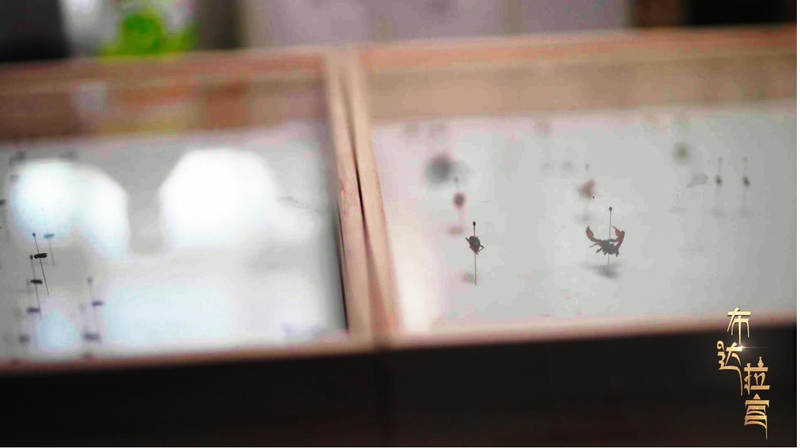
The Potala Palace, a renowned UNESCO World Heritage Site, stands as a testament to architectural brilliance. Known for its unique earth-stone-wood structure, the palace is a focal point of cultural and historical significance. However, this architectural beauty comes with a persistent challenge: the extensive use of wood makes the site highly susceptible to insect infestations, one of the most common and daunting hurdles in heritage conservation.
A Scientific Approach to Preservation
To combat this issue and ensure the longevity of the site, the Potala Palace Management Office has turned to science and strategic collaboration. The journey toward a more resilient preservation model began in 2015, when the Management Office worked closely with Xizang University to establish a dedicated pest control unit.
Expanding the Multidisciplinary Front
Recognizing that the complexity of the palace's structure required a more robust solution, the initiative grew significantly in 2020. The Potala Palace Management Office expanded its network by signing agreements with the Xizang Institute of Plateau Biology and the School of Life Sciences at Peking University. This expansion was designed to create a comprehensive, multidisciplinary scientific system focused on both the prevention and treatment of pests.
By integrating specialized biological expertise and academic research, these partnerships ensure that the Potala Palace remains protected against biological threats. This synthesis of modern science and heritage management allows the world to continue appreciating this historic landmark, blending traditional preservation with contemporary scientific rigor.
Reference(s):
Technology powers heritage conservation: Potala Palace defeats pests
cgtn.com