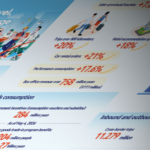
As the 2026 May Day holiday began, cinemas across the Chinese mainland were once again bustling. Data from leading service provider Maoyan shows revenue on May 1 alone reached 163 million yuan, pushing total annual box-office earnings past the 13 billion yuan mark. This familiar scene of success is no longer just about entertainment; it offers a clear window into how cultural spending is becoming a powerful driver of domestic economic growth.
A Diverse Slate Fuels Box-Office Fire
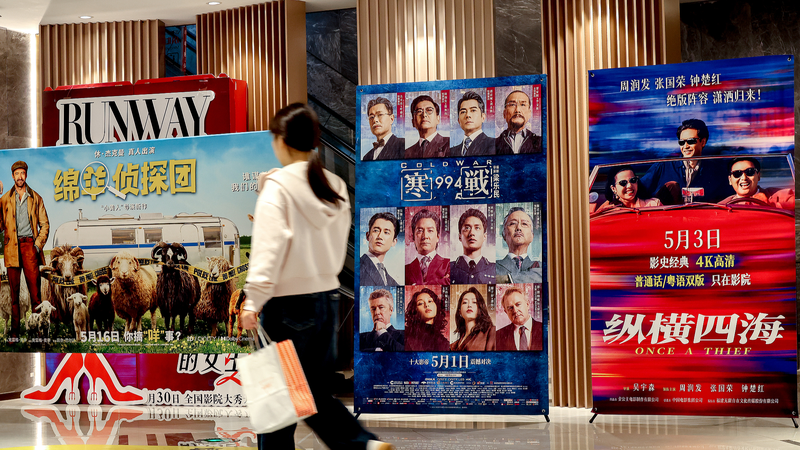
This year's holiday lineup stood out for its remarkable breadth. Rather than relying on a single blockbuster, the market offered a parallel release of films spanning crime thrillers, historical dramas, family animation, and intimate character studies. This strategy successfully targeted distinct audience segments, from fans of veteran Hong Kong actors in Cold War 1994 to families drawn to animated features like GG Bond: Race Through Time. This layered content mix reflects a more mature market where refined production pipelines are meeting diverse audience preferences.
Beyond the Screen: Films as Travel Catalysts
The economic impact of this cinematic boom now extends far beyond theater walls. A national campaign encouraging audiences to "travel with films" has transformed movie tickets into gateways for broader consumption. Across the country, local governments and tourism operators have seized the opportunity. In Tongren, Guizhou Province, ticket stubs for the historical drama Blood-Spattered Cliff unlocked discounts at scenic sites. In Aksu, Xinjiang, fans of the biopic Wan Tongshu gained free entry to cultural destinations.
The phenomenon goes beyond promotional tie-ins. Real-world filming locations are becoming tourist attractions themselves. Visitors are tracing the streets of Wuhan featured in Ode to the Spring, exploring Chongqing's urban landscape from Better Days, and visiting the Jiayuguan Pass in Gansu to step into the world of New Dragon Gate Inn. This convergence of film and tourism creates a powerful spillover effect, where a single cinema visit can lead to additional spending on travel, dining, and retail.
Tech Expands the Experience Frontier
Technology is also reshaping how audiences engage with film content. During this holiday period, immersive projects blending virtual reality, augmented reality, and interactive storytelling gained traction. Commercial districts now host interactive spaces based on popular film and TV intellectual property. Experiences like Three-Body: Red Coast Echo, a VR exploration of Liu Cixin's iconic novel, allow audiences to step inside the story. In Guangzhou, a mixed-reality space themed on Strange Tales of the Tang Dynasty has opened, extending consumption from a two-hour screening into a longer, participatory experience.
Cultural Consumption as a Core Growth Driver
This trend aligns with international patterns where rising incomes lead to increased spending on culture and experiences. The unique power of cultural consumption lies in its multiplier effect, stimulating activity across tourism, hospitality, retail, and other service sectors. The film market acts as both a catalyst and a connector within this ecosystem, generating direct revenue while activating a wider chain of economic activity. The 2026 May Day film boom vividly illustrates this transition, highlighting how cultural vitality is increasingly intertwined with sustainable economic growth.
Reference(s):
cgtn.com