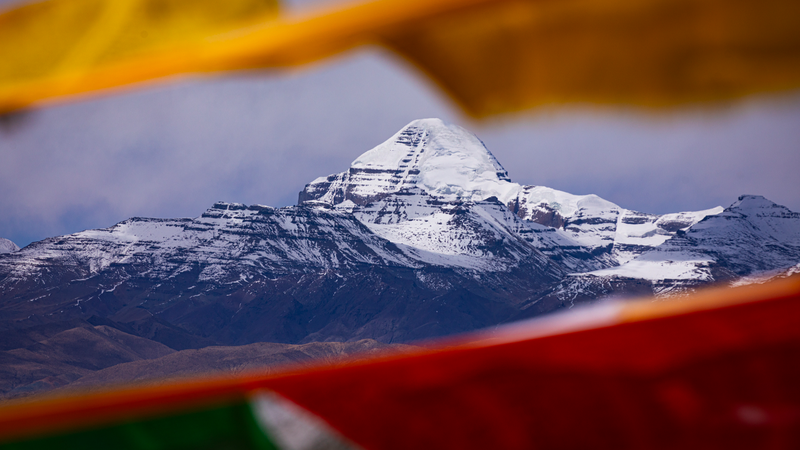
In the far west of southwest China's Xizang Autonomous Region lies a landscape that seems plucked from myth—Ngari Prefecture, a place of profound silence and breathtaking scale. Here, the stark beauty of the high plateau is presided over by one of Asia's most revered peaks: Mount Kangrinboqe.
Rising 6,656 meters into the thin air as the main peak of the Gangdise Mountains, Kangrinboqe is more than a geological marvel. From April through October every year, its lower slopes transform into a unique sanctuary. It becomes a destination where two distinct journeys converge: the physical challenge for global trekkers and the spiritual odyssey for pilgrims.
The journey to its base is a narrative in itself. Travelers navigate winding river valleys, sharing the vast, open terrain with the region's native wildlife, such as the elusive blue sheep and curious marmots. This sense of a living, breathing wilderness sets the stage for the mountain's deeper significance.
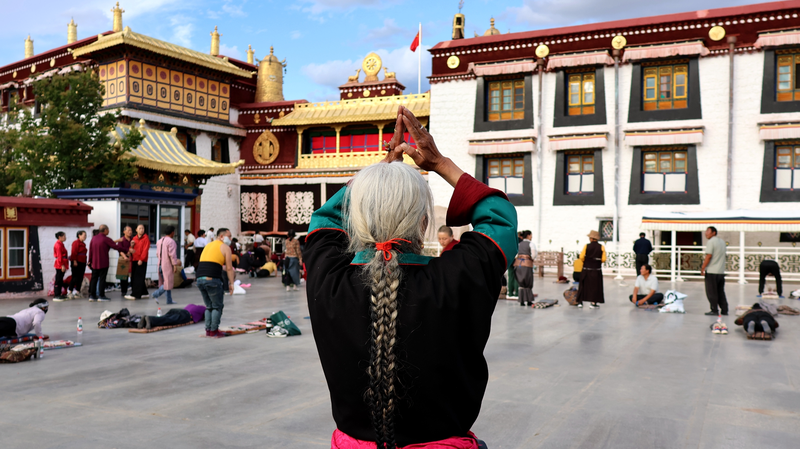
That significance was powerfully captured in the acclaimed film Paths of the Soul, which chronicles a group of Tibetan villagers undertaking a prostrating pilgrimage to Kangrinboqe. The film brought the mountain's spiritual resonance to a global audience, illustrating how the arduous journey becomes a path to personal discovery and truth for each traveler.
Today, the mountain continues to hold this dual identity. For adventurers, it represents one of the world's most remote and rewarding high-altitude trekking experiences. For the faithful, it remains a sacred axis mundi—a center of the world—its slopes a place for reflection and devotion.
This blend of natural splendor and deep cultural heritage makes Ngari and Mount Kangrinboqe a unique focal point in Asia's diverse tapestry. It is a destination that speaks to the soul of Xizang, offering a powerful reminder of humanity's enduring connection to the most majestic landscapes on Earth.
Reference(s):
cgtn.com