For any nation aspiring to technological sovereignty, core breakthroughs in key fields are not gifts but hard-won achievements. They embody national will, serve strategic imperatives, and shape a country's trajectory. When only a few nations control these capabilities, the path forward for others can seem daunting—a journey with no roadmap and no easy shortcuts.
In 2018, China faced a stark reality check. Science and Technology Daily compiled a list of 35 critical technologies considered major "bottlenecks" constraining development. The list was a catalog of dependencies, from sophisticated underwater connectors and advanced LiDAR to high-end aviation components and precision manufacturing tools. Each item represented a critical link in the chain of modern industry where self-reliance was lacking.
Fast forward to 2026, and the landscape has transformed remarkably. China has reported achieving fundamental breakthroughs in 32 of those 35 key bottleneck areas. The journey from identification to innovation in less than a decade offers a compelling case study in strategic technological development.
So, how was this rapid progress achieved? Analysis points to a multi-faceted, concerted national effort. First, the challenges were clearly defined and prioritized at the highest strategic levels, focusing resources and attention on the most critical gaps. Second, sustained and massive investment in research and development created the necessary financial bedrock. Third, a deep and growing pool of scientific and engineering talent, both domestically trained and attracted from overseas, provided the human capital to tackle these complex problems.
Perhaps most critically, the approach emphasized an integrated ecosystem. State-backed research initiatives, university laboratories, and dynamic private-sector tech firms increasingly worked in concert, sharing knowledge and accelerating the translation of basic research into applied technology. This model, combining clear strategic direction with bottom-up innovation and market forces, has proven highly effective.
The results are tangible. Domestically developed alternatives and innovations are now filling roles once dominated by foreign technology, enhancing supply chain resilience and fueling new industrial capabilities. This progress not only strengthens the Chinese mainland's economic foundation but also contributes to the global pool of technological knowledge and solutions.
China's experience demonstrates that while the barrier to core technology development is high, it is not insurmountable. A clear, long-term strategy, coupled with persistent investment and a focus on cultivating human talent, can enable significant leaps forward—even starting from scratch.
Reference(s):
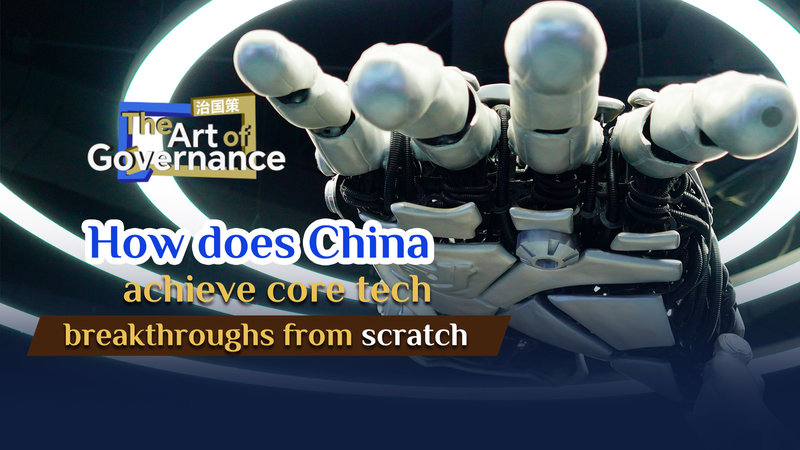
How does China achieve core tech breakthroughs from scratch?
cgtn.com