BEIJING, CHINA – In the bustling capital, a quiet revolution in social care is unfolding. As Asia's population ages, cities across the continent are grappling with how to provide dignity, safety, and community for their elderly residents. Beijing's Xicheng District offers a compelling blueprint: embedding comprehensive care services directly into residential neighborhoods.
The concept is elegantly simple: ensure everything an older person needs for daily living and wellness is within a 500-meter radius. This "aging in place" model, centered on facilities like the Yinling Elderly Nursing Home in Wulao Xinjie, is redefining urban senior living.
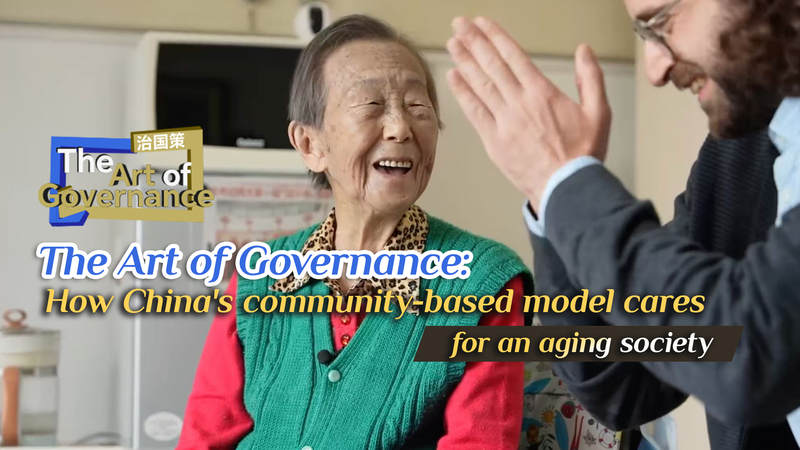
For 88-year-old Yu Suqin, this model has transformed her golden years. "I live here free from all worries," she shared, her voice reflecting contentment. "I never have to think about what to eat today, what groceries to buy, or what to do."
Her days are far from idle. A self-described Renaissance woman, Yu fills her time playing the piano, painting, and most enjoyably, forging intergenerational friendships. The integrated community design facilitates these connections, countering the social isolation that often plagues the elderly.
The embedded care approach addresses critical needs with practical solutions. Daily nutrition is provided through community meal services, accessible medical care is on-site or nearby, and physical infrastructure—from walkways with slip guards and railings to well-maintained public spaces—is designed with safety and mobility in mind.
This model is gaining attention as a potential template for other major Asian cities facing similar demographic shifts. It represents a shift from large, institutionalized care facilities to decentralized, community-integrated support networks. The benefits are multifaceted: it allows residents to remain in familiar surroundings, fosters a stronger sense of community, and can be more cost-effective than traditional institutional care.
As urban planners and social policy experts across Asia look to 2026 and beyond, Beijing's experiment in neighborhood-centric elderly care provides valuable insights. It underscores a growing recognition that the well-being of a society is measured not just by its economic metrics, but by how it cares for its most vulnerable members, ensuring they lead lives of purpose, comfort, and connection.
Reference(s):
Bringing care to the doorstep: The embedded elderly care in Beijing
cgtn.com