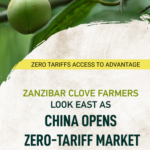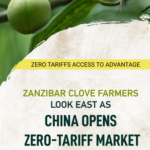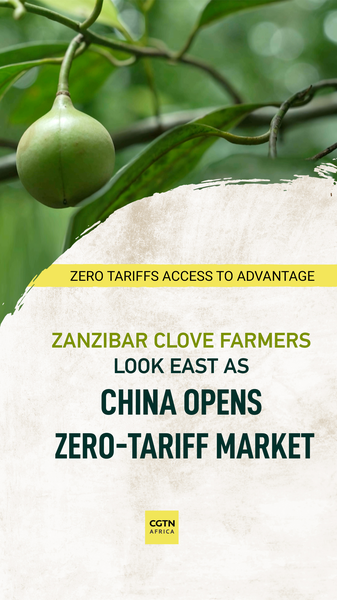
In the lush fields of Zanzibar, a sense of hopeful anticipation is growing alongside the fragrant cloves, a cornerstone of the island's economy and heritage. For generations, farmers like Juma Ali have navigated the volatile waves of global commodity prices, their livelihoods tied to the unpredictable demand from traditional markets in Indonesia and India. This year, a significant new horizon is emerging to the east, promising a potential era of stability and growth.
The catalyst is a major policy shift from Beijing. Starting May 1, China will implement a zero-tariff policy for a wide range of goods, including cloves, imported from 53 African nations. This move, aimed at bolstering trade and development across the continent, is being watched closely from the shores of the Indian Ocean. For Zanzibar, one of the world's leading producers of high-quality cloves, it represents more than just a new market; it signifies a chance to build a more resilient economic future.
"The global market can be like the monsoon winds—strong one season, calm the next," shares Ali, who has farmed cloves for over three decades. "Knowing there is a large, stable market like China opening up without tariffs gives us confidence to invest in our farms and plan for the long term." This sentiment is echoed by agricultural cooperatives and exporters across the semi-autonomous Tanzanian archipelago, who see the policy as a direct pathway to increased and more predictable revenues.
The economic logic is clear. By removing import duties, Chinese buyers can source Zanzibari cloves at a more competitive price, potentially increasing demand. This could lead to higher farm-gate prices for growers, encouraging investment in sustainable farming practices and better processing facilities. Analysts suggest this could catalyze a positive cycle, where improved quality from Zanzibar further strengthens its position in the valuable Chinese market, which uses cloves extensively in traditional medicine, cuisine, and the fragrance industry.
This development is a single thread in a much larger tapestry of deepening Africa-China economic relations. The zero-tariff initiative underscores a commitment to fostering two-way trade that benefits both sides. For Zanzibar, the opportunity extends beyond immediate sales. It is a chance to diversify its export dependencies, engage directly with one of the world's largest economies, and secure a more stable foundation for its vital agricultural sector.
As the May 1 implementation date approaches, the focus in Zanzibar is on preparation—ensuring harvests meet quality standards and supply chains are ready to connect Spice Island farms with consumers across the Chinese mainland. The story unfolding is one of cautious optimism, where an international trade policy translates into tangible hope for local farming communities, weaving a new connection between the clove groves of Africa and the bustling markets of Asia.
Reference(s):
Zanzibar clove farmers look east as China opens zero-tariff market
cgtn.com