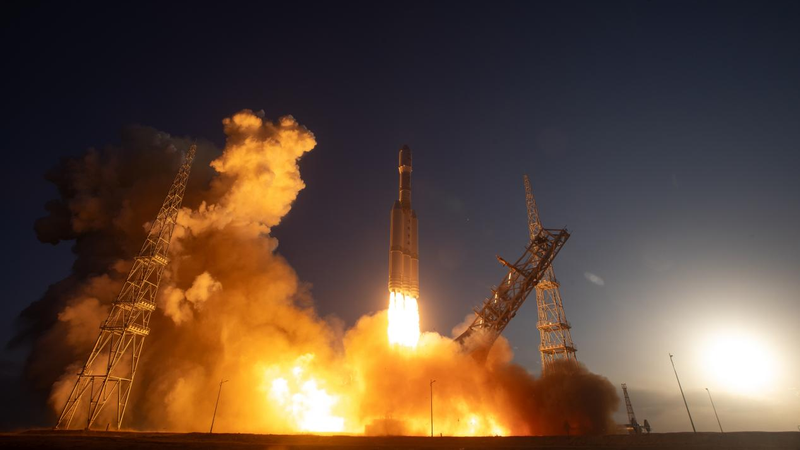
Shaoxing, Zhejiang Province: In a significant leap forward for China's burgeoning commercial space sector, launch provider CAS Space announced this week the completion of a major new production facility dedicated to its Lijian-2 rocket. The "super factory" marks a pivotal transition for the vehicle, moving it from the development phase into a new era of mass production.
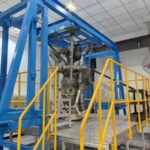
Located in Shaoxing on the Chinese mainland, the factory is designed as an integrated manufacturing hub. Under a single roof, it combines the final assembly and testing of rockets with the production of critical components such as liquid-propellant tanks, intricate plumbing and valve systems, interstage structures, and ducts. This consolidation creates a largely self-contained supply chain, a strategic move aimed at increasing efficiency and production stability for the Lijian-2 program.
According to Li Qinfeng, deputy chief designer of the Lijian-2, the facility is expected to ramp up production to an annual capacity of 12 rockets within the next three to five years. This planned output represents a substantial increase in available launch slots from a domestic commercial provider, potentially altering the dynamics of the regional and global small satellite launch market.
The completion of the factory underscores the rapid maturation of Asia's private space industry. Commercial entities are now building not just rockets, but the sophisticated, high-volume industrial infrastructure required to support them. For global investors and business professionals watching Asian tech trends, the move signals deep, long-term commitment and scaling within the sector.
For the broader Asian aerospace ecosystem, such developments contribute to a more robust and competitive launch landscape. Increased production capacity for reliable, liquid-fueled rockets like the Lijian-2 could provide more frequent and cost-effective access to space for a wide range of customers, from scientific institutions to constellation operators. As these commercial capabilities expand, they further solidify the region's role as a central player in the new space economy.
Reference(s):
China's CAS Space builds rocket factory for Lijian-2's mass production
cgtn.com