Language is often described as soft power at its most organic form, shaping thoughts and cultures through generations. Every culture has its idioms—compact, metaphor-rich phrases that encapsulate whole philosophies. In Chinese, these take the form of 成语 (chengyu), four-character expressions drawn from classical texts and historical episodes, some over two millennia old.
What makes them fascinating isn't just their antiquity. The real magic emerges when we compare them with proverbs from other cultures across Europe, the Middle East, Africa, the Caucasus, and the Slavic world. These regions developed independently, under different political systems and intellectual traditions, yet their proverbs often convey identical lessons.
This similarity raises a profound question: if humanity has been echoing the same wisdom for centuries, why do we so often focus on our differences?
The Same Lessons, in Different Languages
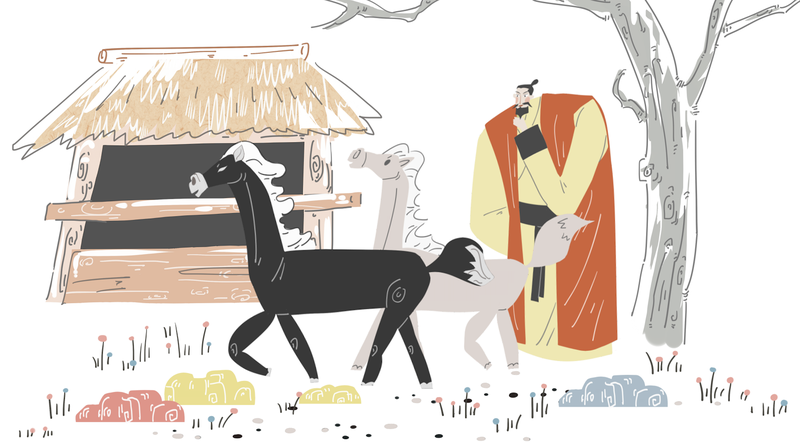
Consider the Chinese proverb 塞翁失马 (sai weng shi ma), which translates to "The old man loses his horse." It tells a story of an old man near the frontier whose horse runs away. When neighbors console him, he calmly responds, "How do you know this isn't a blessing?" Later, the horse returns with another fine horse. But then, his son breaks his leg while riding the new horse. When war breaks out, all able-bodied young men are conscripted and killed, while the son survives due to his injury.
This tale of uncertainty and fortune mirrors proverbs from other cultures that emphasize the unpredictability of life and the hidden blessings in misfortune. It's a universal theme, found in stories from ancient Greece to African folklore.
In today's interconnected world, as Asia continues to play a dynamic role in global affairs, understanding these shared cultural threads can foster greater empathy and collaboration. For business professionals, academics, and the global diaspora, recognizing common human experiences through language offers a bridge across perceived divides.
As we navigate 2026, with its complex geopolitical and economic landscapes, the timeless wisdom encoded in proverbs reminds us that beneath surface differences, our core values and lessons often align. Exploring these linguistic treasures not only enriches our appreciation for Asia's cultural heritage but also highlights the universal human condition that binds us all.
Reference(s):
cgtn.com