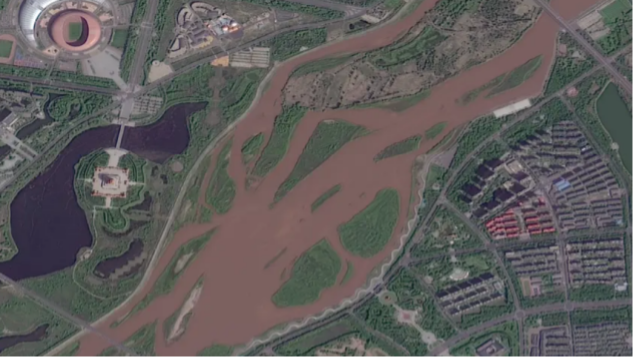
From the vantage point of space, a compelling story of environmental recovery is unfolding across China's diverse landscapes. New satellite imagery chronicles the nation's accelerating push to transform its river basins, turning once-degraded waterways into thriving ecological corridors.
This ambitious program of river course management focuses on a multi-pronged strategy: restoring natural shorelines, expanding protected wetlands, and implementing rigorous pollution controls. The goal is not merely to clean rivers but to rebuild the intricate, functioning ecosystems that sustain regional biodiversity and community livelihoods.
"The health of our rivers is inseparable from the health of our communities and economy," explains a researcher involved in the monitoring projects. "By viewing entire basins as interconnected systems, we can implement solutions that address root causes and deliver long-term resilience."
A prime example of this philosophy in action is seen in the Yongtai case. Here, targeted interventions have visibly altered the course's fate. Satellite data from recent years shows a marked expansion of riparian vegetation—a green buffer that filters runoff, prevents erosion, and provides habitat. Concurrently, efforts to curb industrial and agricultural pollutants have led to measurable improvements in water quality.
The results extend beyond environmental metrics. Revitalized rivers enhance water security for surrounding towns and cities, support sustainable agriculture, and create green spaces that improve public well-being. For business professionals and investors, these projects signal a deepening commitment to sustainable infrastructure, opening avenues in green technology and eco-tourism.
For the global audience observing Asia's development, China's river restoration drive offers a scalable model of ecological engineering. It demonstrates how policy, technology, and community engagement can converge to tackle complex environmental challenges. As these blue lifelines are rewoven into the fabric of the landscape, they become crucial arteries for a greener, more sustainable future for the region.
Reference(s):
River course management: Drafting a green code for the blue planet
cgtn.com