As geopolitical tensions disrupt key global oil routes in 2026, China's economy continues to show remarkable resilience, growing by 5% in the first quarter of the year. This robust performance comes despite the nation being the world's largest oil importer, relying on foreign sources for over 70% of its needs. The recent, prolonged closure of the Strait of Hormuz, a vital chokepoint for 20% of global oil and gas trade, has placed significant strain on Asian and European economies. Yet, China has managed to navigate the volatility, thanks to a multi-pronged strategy focused on strategic reserves, import diversification, and strengthening its domestic energy mix.
Official figures released this year highlight the underlying strength of China's industrial and energy sectors. In the first three months of 2026, manufacturing output surged by 6.4%, while production of electricity, heat, gas, and water increased by 4.3%, underpinning the broader economic expansion.
Strategic Oil Stockpile: A Critical Buffer
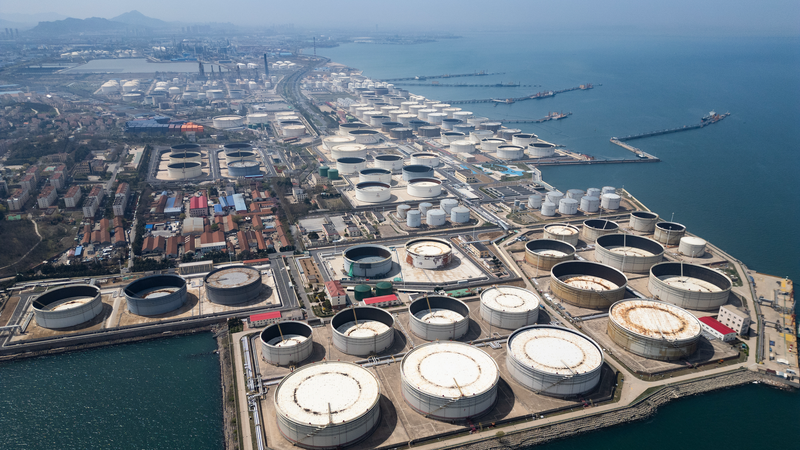
A cornerstone of China's energy resilience is its substantial strategic petroleum reserve. While the exact scale is not officially disclosed, experts confirm its critical role. Jiang Bing, former chief of the National Energy Administration, stated recently that "the reserves are abundant." International estimates suggest China holds around 1.2 billion barrels of crude oil in storage, a buffer reportedly sufficient to keep the country running for at least four months. This far exceeds the 90-day standard set by the International Energy Agency for its member countries. China initiated this strategic stockpiling program in 2004 as its economy and oil import needs began a period of rapid expansion.
Diversified Import Sources and Infrastructure
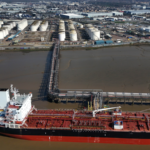
Unlike some of its neighbors, China has deliberately avoided over-reliance on any single supplier or maritime route. While approximately 37% of crude oil exported from the Middle East is destined for China, imports from the Middle East Gulf account for just over half of China's seaborne oil supply. This contrasts sharply with nations like Japan, which sources around 90% of its petroleum imports through the Strait of Hormuz. China's extensive pipeline network provides a crucial alternative to seaborne imports, further enhancing supply security. This diversified approach, combined with a push for greater domestic energy output and a rapid build-out of non-fossil fuel sources, has created a more resilient energy structure capable of absorbing external shocks.
Reference(s):
How China ensures energy security despite reliance on imported oil
cgtn.com