The image of China as a sporting nation has undergone a remarkable transformation in recent decades. From its first Olympic gold medal in 1984 to consistently ranking among the top nations on the medal tally, the country's athletic achievements are well-documented. Yet, a more profound and telling story is unfolding in parks, schoolyards, and community centers across the nation this year in 2026.
This narrative moves beyond elite performance to focus on mass participation. It answers a critical question: what sustains a nation's sporting culture? The answer, increasingly evident in China, is a dual-track strategy that celebrates world champions while simultaneously fostering a deep-rooted, everyday sports culture among its 1.4 billion residents.
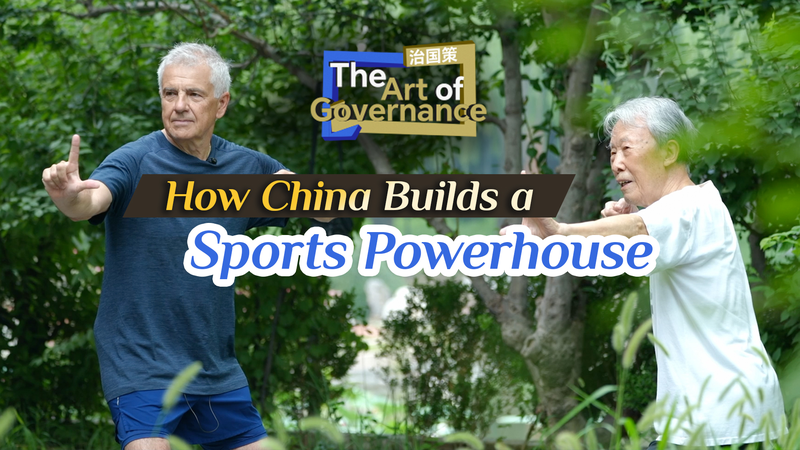
Consider the scene in countless public squares at dawn. Groups of people, including many in their eighties and nineties, move in synchronized grace practicing Baduanjin, a traditional exercise with roots in Chinese medicine. This daily ritual isn't about competition; it's about health, community, and a connection to cultural heritage. It represents one pillar of the new sports powerhouse: wellness integrated into the fabric of daily life.
The other pillar thrives on organized, amateur enthusiasm. Across cities, weekend amateur football leagues have exploded in popularity. Office workers, students, and entrepreneurs form teams, not chasing professional dreams, but the camaraderie and personal challenge the game provides. This boom in community sports is supported by significant national infrastructure investment over the past decade, leading to a surge in accessible public sports facilities.
Government initiatives have played a key role in this cultural shift. The "National Fitness Program" has been a cornerstone policy, aiming to involve over a third of the population in regular physical activity. This ambitious goal is pursued through public awareness campaigns, subsidies for local sports clubs, and the construction of fitness trails and equipment in urban and rural communities alike.
The results are tangible. Sporting goods retailers report sustained growth, and fitness apps see millions of active users tracking their runs, swims, and cycling routes. The definition of a "sports powerhouse" is being rewritten. It's no longer measured solely by podium finishes but by the percentage of the population that is active, engaged, and sees sport as an essential part of a healthy, modern life.
This holistic model presents a compelling case study for other nations. It demonstrates that sustainable sporting excellence is built on a broad and active participant base. The child inspired by an Olympic hero now has a local league to join, and the grandparent has a community with which to practice gentle exercise. In 2026, China's athletic story is as much about the vitality in its neighborhoods as it is about the glory in international arenas, painting a comprehensive picture of a nation in motion.
Reference(s):
cgtn.com