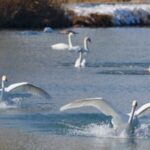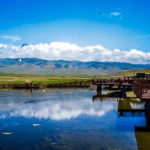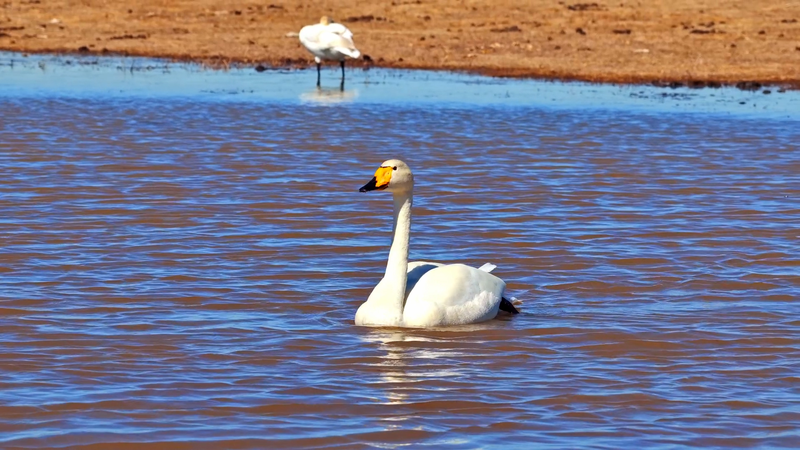
As spring arrives in 2026, a breathtaking natural ballet unfolds in northwest China. Graceful swans have returned in large flocks to the Kekesu Wetland National Nature Reserve in Altay City, Xinjiang Uygur Autonomous Region. Against the golden glow of the setting sun, some swans are seen playfully flapping their wings, while others dip their heads in search of food, creating a vivid and serene ecological scene.
This annual migration and the healthy population of swans observed this spring serve as a powerful indicator of the wetland's robust health. The timing, coinciding with the recent World Earth Day observance on April 22, highlights a significant conservation success story. The thriving wildlife is a direct result of sustained and effective efforts to protect and restore this vital ecosystem.
The scene at Kekesu is more than just a beautiful spectacle; it is a testament to the growing harmony between human activity and the natural world in the region. It demonstrates how dedicated environmental stewardship can lead to the recovery of habitats and the flourishing of species. For global observers and ecotourists, it represents a beacon of hope and a model of successful biodiversity conservation in Asia.
For residents of the region and the global Asian diaspora, such stories reinforce a connection to the land and its natural heritage. For business professionals and policymakers, it underscores the tangible economic and social benefits of preserving natural capital, from supporting tourism to ensuring ecological balance.
The graceful dance of the swans in Altay is not just a seasonal event but a lasting symbol of achievement. It reminds us that positive change is possible and that the rewards of conservation are as clear and beautiful as a swan's reflection on calm water.
Reference(s):
cgtn.com