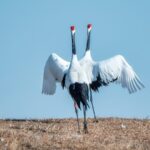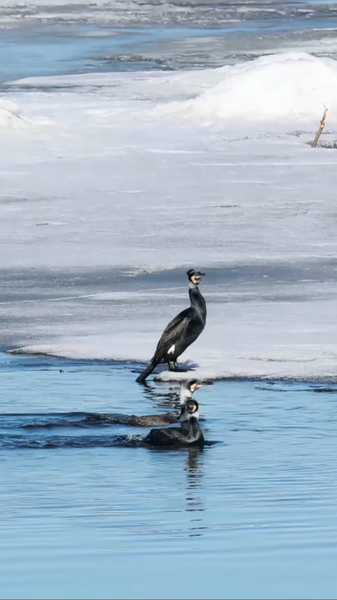
As the chill of winter fully recedes in northeast China, a familiar and heartening sign of the season is unfolding across the wetlands of Heilongjiang. The Maolangou National Nature Reserve, a sprawling sanctuary along the Heilongjiang River, has once again become a bustling hub for thousands of migratory birds making their annual journey north.
This late spring spectacle, observed by reserve staff during their daily patrols this year, features a diverse cast of avian travelers. Flocks of wild geese, elegant mandarin ducks, diving mergansers, and sleek cormorants have been spotted resting and refueling in the area. The sight of these birds playing and foraging freely against the backdrop of awakening marshland paints a vibrant ecological portrait, signaling the robust health of this critical habitat.
The consistent arrival of these species is no accident. Conservation experts point to the reserve's sound ecological environment and abundant food resources as key factors making it an ideal stopover. For bird enthusiasts, researchers, and local residents alike, the event is a powerful annual reminder of nature's rhythms and the importance of preservation efforts.
The phenomenon also highlights a broader narrative of ecological balance in Asia. Protected areas like Maolangou serve as vital links in global migratory pathways, underscoring the interconnectedness of ecosystems across borders. Their continued health is essential not only for biodiversity but also for the communities that value these natural wonders.
Reference(s):
cgtn.com