Across the Chinese mainland, the monumental task of lifting hundreds of millions out of poverty has entered a new, critical phase: ensuring those gains are lasting. In recent years, a strategic focus on consolidating the achievements of the nation's extensive poverty alleviation campaign has yielded remarkable results, transforming the prospects of once-impoverished rural counties.
Authorities report that a transition period aligning these gains with the broader goals of rural revitalization has been successfully completed. The focus has shifted from basic subsistence to building sustainable, robust local economies. A key metric of success is the sustained growth in income for those who have escaped poverty. Farmers in former poverty-stricken counties have consistently seen their per capita disposable income outpace the national average. Furthermore, employment among this population has remained stable at over 30 million people for five consecutive years, providing a crucial foundation for long-term stability.
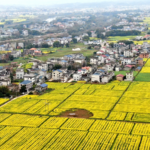
This success is not built on a one-size-fits-all model but on strategies that leverage unique local resources. The story of a single leaf in Anji County, Zhejiang Province, illustrates this perfectly. Anji's white tea industry has evolved from a small-scale crop into a powerful engine of local prosperity. More than just developing its own economy, Anji has become a catalyst for growth elsewhere. Since 2018, the county has donated tens of millions of tea seedlings and provided comprehensive support—from planting to marketing—to counties in less-developed western regions.
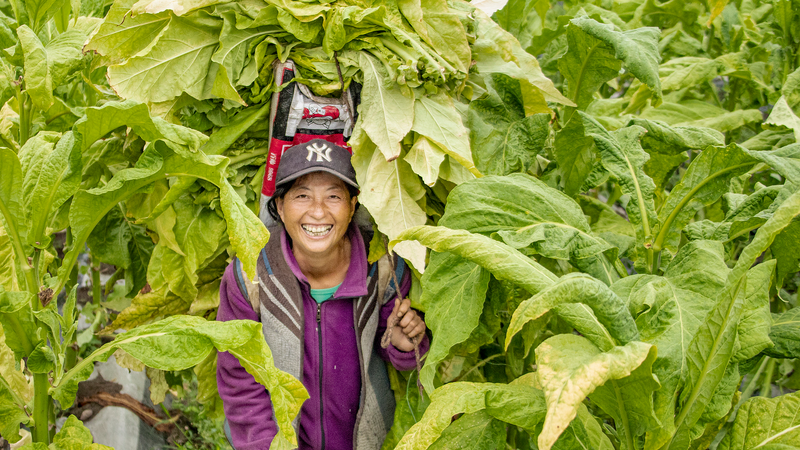
One such beneficiary is Pu'an County in Guizhou Province. What began as a donation of seedlings has blossomed into a thriving industry of hope. Pu'an now boasts over 12,200 hectares of tea gardens, an industry that supports more than 70,000 local residents. Skilled tea pickers can earn significant supplementary income during the harvest season. The local government projects that by the end of this year, 2026, the county's tea industry will reach a comprehensive output value exceeding 2 billion yuan, significantly boosting household incomes.
The narrative emerging from rural China is one of resilience and ingenuity. By combining targeted policy support, financial investment, and a deep commitment to eco-friendly, industry-driven development, these regions are not just escaping poverty but are charting a course toward a prosperous and self-sustaining future. This ongoing transformation underscores a significant chapter in the nation's developmental story, offering valuable insights into sustainable rural economic models.
Reference(s):
How China's rural areas consolidate the gains of poverty alleviation
cgtn.com