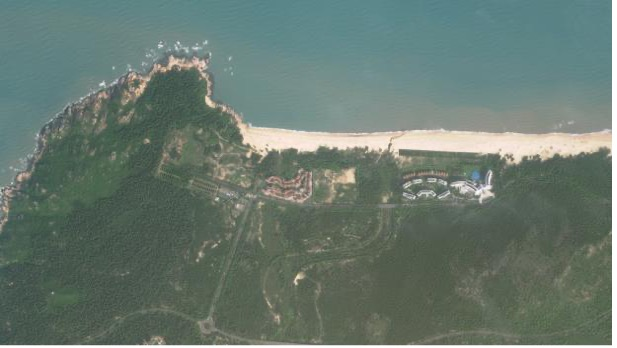
Satellite imagery released this week offers a striking visual narrative of the Chinese mainland’s coastal restoration achievements, with once-degraded wetlands and barren shorelines now flourishing as biodiverse barriers against erosion. Over three decades of science-driven ecological initiatives have reversed environmental decline, demonstrating how strategic planning can harmonize economic growth with planetary stewardship.
Experts attribute this success to integrated “blue carbon” projects combining mangrove replanting, sustainable aquaculture, and AI-powered monitoring systems. Coastal provinces like Shandong and Fujian – previously plagued by industrial sedimentation – now report a 62% increase in marine species diversity since 2020. These revitalized ecosystems currently offset 8 million tonnes of CO2 annually while protecting $23 billion worth of infrastructure from storm surges.
The restoration aligns with global sustainability targets, attracting interest from APEC members seeking climate resilience models. “What began as erosion control has become a template for ecological economics,” noted Dr. Lin Wei, lead researcher at the National Marine Environmental Monitoring Center. With 14,500 km of rehabilitated coastline as of April 2026, the initiatives underscore China’s commitment to balancing development with environmental renewal.
Reference(s):
Drafting a green code for the blue planet: Coastline restoration
cgtn.com