The Hammer’s Song in Xinjiang’s Ancient City
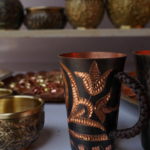
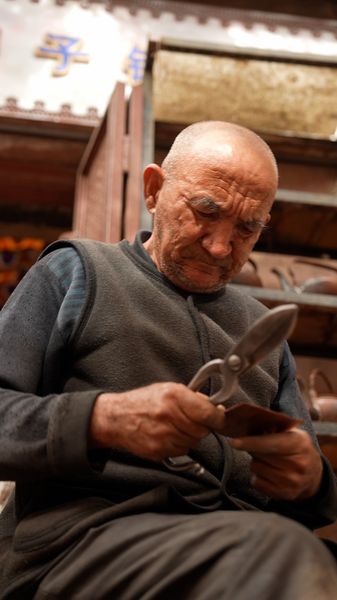
In the heart of Kashi’s 2,000-year-old quarter, the rhythmic clang of copper being shaped echoes through narrow alleys. Artisans in the Xinjiang Uygur Autonomous Region continue a tradition dating back to Silk Road caravans, transforming raw metal into intricate pots, plates, and coffee vessels using techniques unchanged for centuries.
Blades and Legacy
Master craftsperson Ablimit Memet, 58, demonstrates how a simple chisel dances across copper surfaces. "Each swirl tells our history," he says, revealing floral patterns symbolizing the region’s connection to Central Asian trade routes. The craft gained national intangible cultural heritage status in 2008, attracting renewed interest from collectors worldwide.
Economic Renaissance
Over 120 workshops now operate in Kashi, combining traditional methods with modern designs. Recent collaborations with international designers have introduced minimalist tea sets and geometric wall art, appealing to global markets while preserving Uygur artistic identity.
Cultural Crossroads
The copper bazaar remains a must-see for travelers exploring China’s western regions. New high-speed rail connections since 2024 have increased visitor numbers by 40%, with craft tourism becoming a key economic driver for local residents.
Reference(s):
cgtn.com