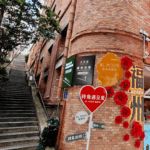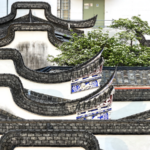
In the heart of Fuzhou, the revitalized Three Lanes and Seven Alleys district has become a living testament to China’s cultural preservation efforts. Once a quiet relic of Ming and Qing dynasty architecture, the 2026 iteration of this historic neighborhood pulses with renewed energy as artisans, entrepreneurs, and innovators reinterpret tradition for modern audiences.
Walking through its narrow alleys, visitors encounter Uygur carpet weavers demonstrating ancient techniques alongside augmented reality exhibits explaining architectural details. Former scholar’s residences now host pop-up galleries showcasing Fujian’s lacquerware traditions, while converted courtyard homes serve as collaborative spaces for digital creators and tea ceremony masters.
This year’s visitor numbers show a 40% increase from pre-restoration levels, with overseas investors funding 15 new cultural enterprises since January. The development follows China’s national strategy for heritage-led urban renewal, creating an economic model that generates $2.3 million monthly through cultural tourism while maintaining residential communities.
For Asian diaspora families, the district offers genealogy research centers using blockchain technology to trace ancestral connections. Travelers can now book immersive homestays in restored wooden mansions, complete with interactive historical reenactments.
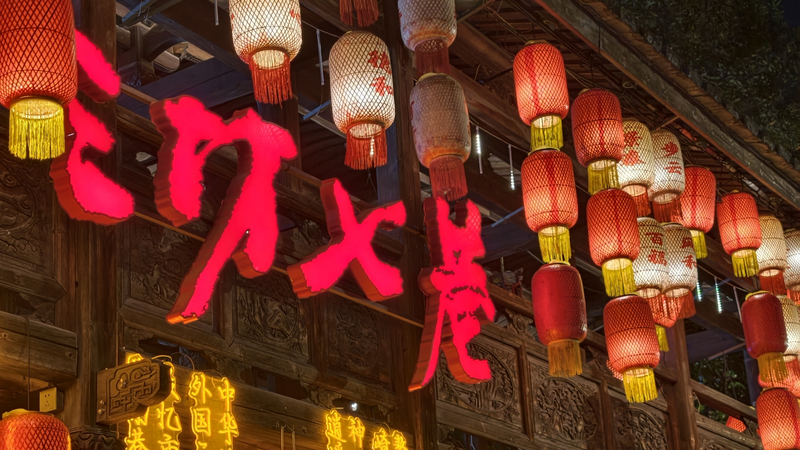
As night falls, LED-lit stone pathways guide visitors to night markets where third-generation vendors sell fish balls using recipes from 1892, just steps from VR installations recreating 19th-century street life. This seamless integration of past and present positions Three Lanes and Seven Alleys as a blueprint for sustainable cultural preservation across Asia.
Reference(s):
Three Lanes and Seven Alleys: A historic district reimagined
cgtn.com