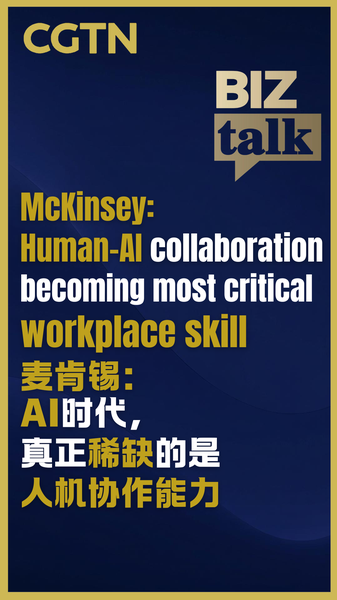
In the rapidly evolving corporate landscape of 2026, the synergy between human intelligence and artificial intelligence has moved from a technological advantage to a fundamental necessity. According to Lambert Bu, a senior partner at McKinsey & Company, human-AI collaboration has officially evolved into a company-wide core skill.
This shift is not limited to specialized tech roles or data scientists. Bu notes that this competency is now required across the entire organizational spectrum, from top-level executives crafting long-term strategies to frontline staff managing daily operations. The ability to effectively leverage AI tools to enhance productivity, streamline workflows, and inform decision-making is becoming a primary benchmark for professional success in today's global market.
However, the rise of sophisticated AI does not signal the obsolescence of the human element. Bu emphasizes that certain human strengths remain entirely irreplaceable. Empathy, complex critical thinking, and nuanced judgment are the anchors that ensure AI is used ethically and effectively, providing the essential oversight that algorithms cannot replicate.
As businesses across Asia and the globe continue to integrate these technologies, the winning formula appears to be a hybrid approach: utilizing AI for efficiency and scale, while relying on humans for emotional connection and strategic intuition. For professionals and investors observing the current trends, the narrative has shifted from AI replacing jobs to how humans can evolve alongside technology to unlock unprecedented levels of innovation.
Reference(s):
McKinsey: Human-AI collaboration becoming critical workplace skill
cgtn.com