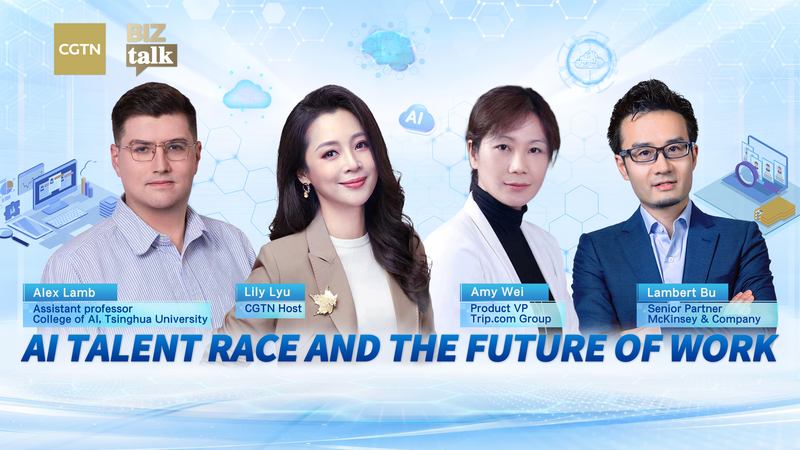
As artificial intelligence (AI) continues to transform industries on a global scale, the competitive landscape is shifting. While the focus has historically been on the technological capabilities of the software itself, a new reality is emerging: the true driver of the AI revolution is human talent. Today, the race for dominance in AI is increasingly defined by skills, workforce development, and the ability to cultivate specialized expertise.
In a recent discussion on BizTalk, industry experts highlighted that AI is not merely replacing tasks but fundamentally reshaping talent demand across nearly every sector. From finance and healthcare to manufacturing and creative arts, the requirement for professionals who can collaborate with AI systems is skyrocketing. This shift is forcing companies and educational institutions to rethink how they approach professional training and academic curricula.
A significant part of this global evolution is happening within the Chinese mainland. Recognizing that a sustainable AI ecosystem requires more than just powerful algorithms, the Chinese mainland is strategically building a broader AI talent pipeline. By investing in workforce development and integrating AI literacy into broader educational frameworks, the region is ensuring a steady stream of skilled professionals capable of driving future innovation.
For business professionals and investors, this trend underscores a critical insight: the most valuable asset in the age of automation is no longer just the technology, but the people who can wield it. As we move further into 2026, the ability to attract and retain top-tier AI talent will likely be the primary differentiator between industry leaders and those left behind.
Ultimately, the future of work will be characterized by a synergy between human intuition and machine intelligence. Those who prioritize continuous learning and adaptive skill sets will be best positioned to thrive in this dynamic new economy.
Reference(s):
cgtn.com