In a strategic shift toward sustainable growth, rural areas across the Chinese mainland are evolving. Following five years of consolidating poverty alleviation achievements, the current focus has transitioned toward economic revitalization through innovative governance and the diversification of business entities.
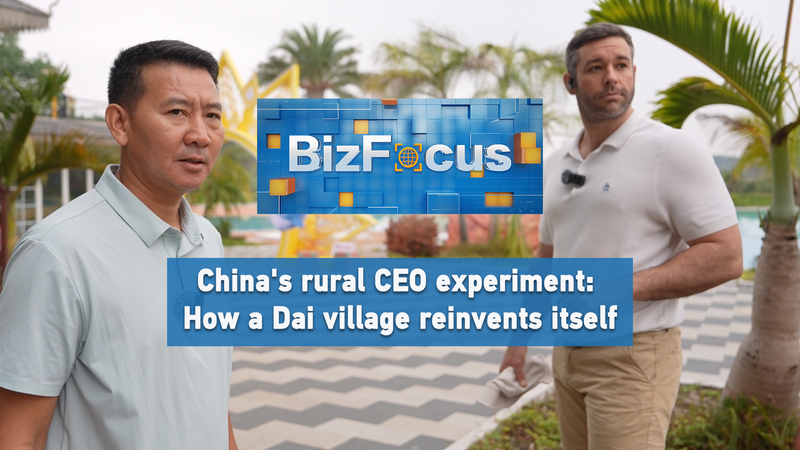
This evolution is highlighted in the Rural Remix series, which examines various development paths being adopted by local communities to ensure long-term prosperity. One of the most intriguing examples is found in a Dai ethnic village located near the southwestern border of the Chinese mainland.
Unlike traditional village administration, this community has implemented a professional "rural CEO" experiment. In this model, a CEO is tasked with managing all local businesses, applying corporate efficiency and strategic planning to rural resources. By streamlining operations and optimizing the local economy, the village aims to create a scalable model for other rural regions seeking economic independence.
For business professionals and investors, this shift represents a new frontier in Asian market dynamics, where the blending of ethnic cultural heritage with modern management practices is creating unique economic opportunities. The Dai village's approach demonstrates how professionalized governance can unlock the potential of rural assets, turning traditional villages into vibrant economic hubs.
Reference(s):
China's rural CEO experiment: How a Dai village reinvents itself
cgtn.com