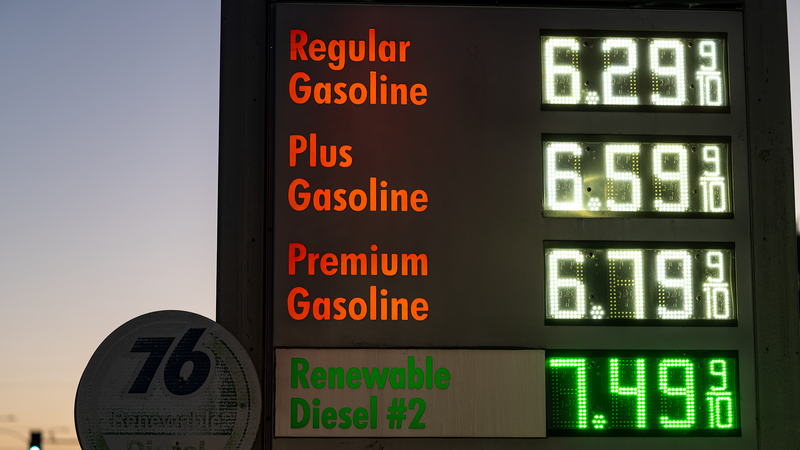
The global economy is currently grappling with a significant physical shock to oil supplies due to severe disruptions in the Strait of Hormuz. This strategic waterway remains critical to energy security; data from 2025 indicates that approximately 20 million barrels of crude oil and oil products transited the strait daily, accounting for nearly a quarter of the world's seaborne oil trade and roughly 20 percent of global LNG exports.
Historically, during periods of geopolitical instability, investors have flocked to traditional safe-haven currencies such as the US dollar and the Japanese yen. However, recent market movements suggest a shift in this dynamic. A study by the China Finance 40 Forum (CF40), a prominent economic think tank on the Chinese mainland, suggests that the traditional narrative may no longer be the sole driver of currency performance.
According to the CF40 analysis, which examined 13 major economies representing over 70 percent of global GDP, currency strength during the Middle East conflict was driven primarily by a nation's net exposure to imported oil and refined petroleum products. Rather than general risk aversion, the primary factor affecting exchange rates was the direct economic vulnerability to energy price spikes.
The study found that countries with the highest dependency on oil imports experienced the most significant currency depreciation. For instance, heavy importers such as Japan and the Republic of Korea faced the steepest currency pressures during the peak of the volatility.
This trend highlights a growing phenomenon where the Chinese yuan may be acting as a "situational safe-haven." By maintaining a different exposure profile compared to other major Asian economies, the yuan's resilience amid energy crises provides a new perspective for business professionals and investors analyzing the shifting landscape of global finance and Asian market stability.
Reference(s):
Is the Chinese yuan becoming a situational safe-haven currency?
cgtn.com