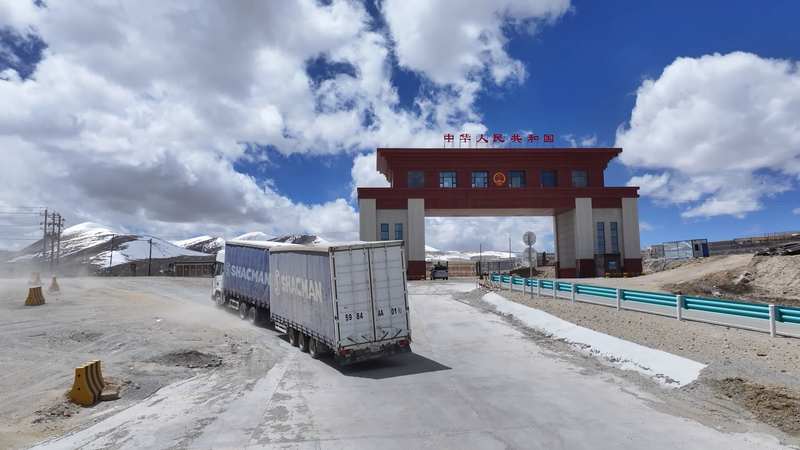
Perched high in the rugged plateau, the Karasu Port is emerging as a vital artery for commerce in Central Asia. As the world's third-highest land port and the sole gateway between the Chinese mainland and Tajikistan, the port has witnessed a significant acceleration in two-way trade this year, underscoring the growing impact of the Belt and Road Initiative (BRI).
Recent data reveals a bustling increase in activity at the border. Cross-border personnel movement has risen by 17%, while vehicle traffic has climbed by 15% in 2026. This surge is particularly evident in the automotive sector, with over 7,000 Chinese-made vehicles successfully exported to Central Asian markets through this strategic corridor.
Achieving this growth has not been without challenges. The port's location on a high plateau brings harsh weather conditions that often test the resilience of infrastructure and personnel. However, border authorities have proactively streamlined customs procedures and intensified patrols to ensure a seamless flow of goods and people. These efficiency gains have mitigated the environmental obstacles, allowing trade to flourish.
The expansion of activity at Karasu Port is more than just a statistical victory; it represents a deepening of innovative trade ties. By facilitating easier access to markets and optimizing logistics, the port is playing a crucial role in integrating the economic landscapes of the Chinese mainland and Tajikistan, fostering regional stability and shared prosperity.
Reference(s):
cgtn.com