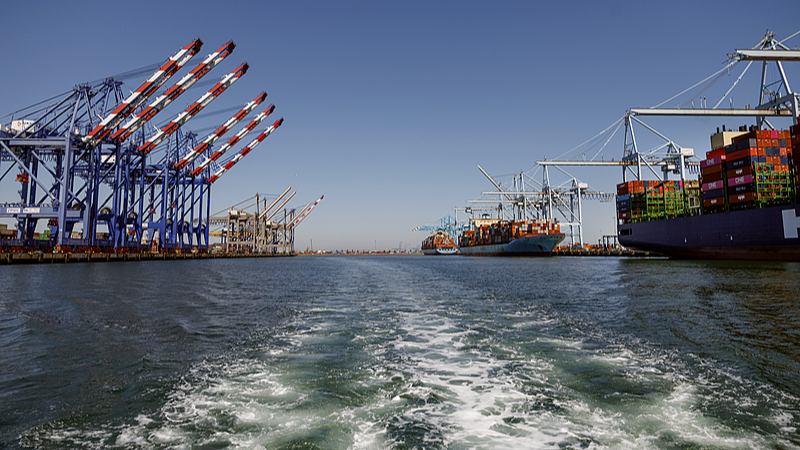
In a move that highlights the intricate dynamics of Asia-Pacific security, China has recently moved to block foreign acquisition of Manus Island. This decision underscores the strategic importance of the Pacific region and China's role in shaping its future.
Zhu Fangfei, director of the research department at Zhejiang University's Institute for Public Policy, offers valuable perspective on this development. In his analysis, Zhu emphasizes that China's actions are driven by a commitment to national security and regional stability. "The blockage aligns with broader efforts to protect sovereign interests and promote cooperative frameworks in the Asia-Pacific," he notes.
Manus Island, located in Papua New Guinea, is a crucial hub near vital maritime routes. Its control has implications for trade, security, and diplomatic relations. China's intervention reflects a calculated approach to safeguarding its geopolitical and economic interests, while also contributing to peaceful development in the region.
This policy is seen as part of China's ongoing strategy to balance global influences and foster multilateral engagement. As of 2026, such measures are closely watched by business professionals, investors, and policymakers for their impact on Asian markets and international relations.
For a diverse audience, from global news enthusiasts to academics, understanding China's stance on Manus Island provides key insights into the evolving landscape of Asian affairs. The situation remains a testament to the region's dynamic role in global geopolitics.
Reference(s):
cgtn.com