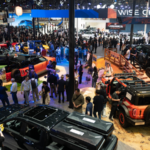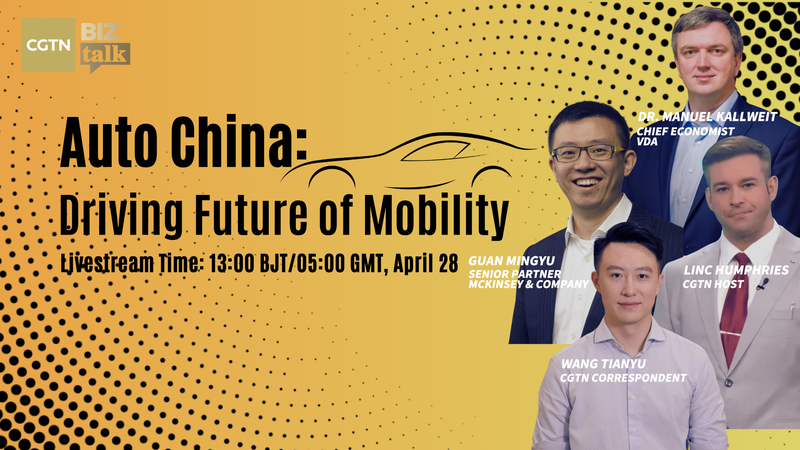
As the sun sets on the sprawling exhibition halls of Auto China 2026, which opened on April 24, the air is thick with more than just anticipation; it carries the palpable momentum of an industry at a global crossroads. Over its 10-day run, the event showcases nearly 1,500 vehicles, but the true stars are the ideas and innovations powering them. In a world grappling with commodity volatility and supply chain disruptions, the central question has decisively shifted. Electrification is no longer a distant promise but an urgent, present reality.
At the heart of this transformation sits the Chinese mainland, the world's largest electric vehicle (EV) market and a dominant force propelling global EV adoption. The scale and ambition on display in Beijing this week are not merely about selling cars; they represent a comprehensive blueprint for the future of mobility. From advanced battery technologies and autonomous driving systems to connected vehicle ecosystems, Chinese manufacturers are aggressively setting the pace for greener, smarter transportation.
This pivotal moment, however, is not unfolding in isolation. As explored in the recent BizTalk discussion, the journey is increasingly collaborative. A significant narrative emerging from Auto China 2026 is the deepening synergy between the Chinese and German automotive powerhouses. Long admired for their engineering excellence, German brands are now moving in step with Chinese innovators, co-creating the next phase of mobility. This partnership blends precision engineering with digital agility and scale, accelerating the development of next-generation EVs and intelligent vehicle platforms that will define roads worldwide.
For global observers, investors, and industry stakeholders, Auto China 2026 serves as a critical barometer. It offers a clear view into how key players are navigating the twin challenges of sustainability and technological disruption. The collaborations forged here, particularly between China and Germany, suggest a future where the automotive landscape is redrawn not by competition alone, but by strategic alliances aimed at solving shared global challenges. As the exhibition continues until early May, its legacy will be measured by the speed at which these visions become the vehicles in our driveways.
Reference(s):
cgtn.com