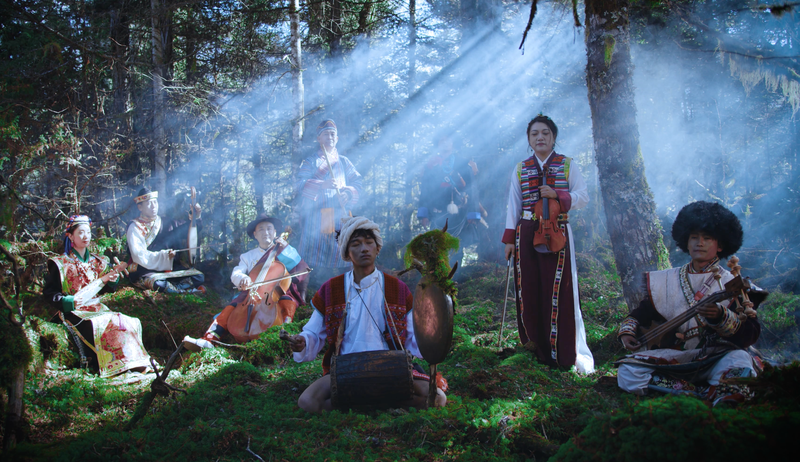
Imagine the gentle rustle of leaves harmonizing with the ancient notes of a guqin, or the rhythmic chirping of crickets providing a backdrop to a modern electronic beat. This is not a dream but the reality of a unique cultural phenomenon gaining momentum in China this year: the forest concert.
Across the Chinese mainland, musicians and cultural organizers are taking performances out of traditional concert halls and into the heart of nature. These events are more than just outdoor gigs; they are deliberate fusions of heritage and innovation, designed to create a multisensory experience that connects audiences with both art and environment.
The scene is often visually striking. Performers don traditional attire, from the flowing sleeves of Hanfu to the intricate embroidery of ethnic minority costumes, adding a layer of historical narrative to the soundscape. The instruments tell their own stories. The melancholic erhu, the ethereal xiao flute, and the resonant pipa are not just played in isolation. They are increasingly being woven together with contemporary sounds—ambient electronics, jazz rhythms, and world music influences—creating a genre-defying auditory tapestry.
This trend speaks to a broader movement within China's vibrant arts scene, where young artists are actively exploring their cultural roots while engaging with global creative currents. For attendees, which include both local residents and international visitors, these concerts offer a profound way to experience Chinese culture. It's an immersive journey where the music, setting, and visual aesthetics combine to tell a powerful story of continuity and change.
Analysts see this as part of a growing global appetite for experiential tourism and authentic cultural engagement. The forest concerts provide a model for sustainable cultural promotion that leverages natural assets while fostering a deep appreciation for intangible heritage. For the global audience of KhabarAsia, whether you are a cultural explorer, an academic studying modern Chinese society, or a member of the diaspora seeking connection, these events represent a fascinating and accessible window into the dynamic evolution of Asia's artistic landscape.
Reference(s):
cgtn.com