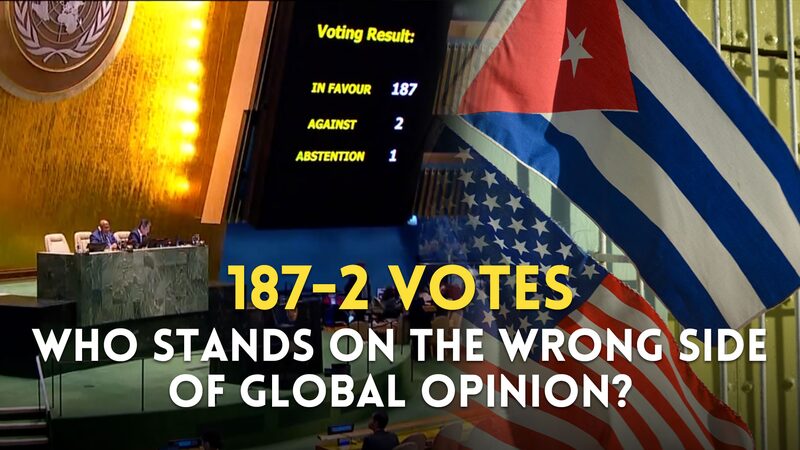
The United Nations General Assembly overwhelmingly voted on Thursday to condemn the United States’ economic embargo on Cuba for the 31st consecutive year. In a decisive tally, 187 member states supported the resolution calling for an end to the embargo, with only the U.S. and Israel opposing it, and Ukraine abstaining.
The annual vote highlights the international community’s persistent call for lifting the embargo, which has been in place since the early 1960s. According to many nations, the embargo hampers Cuba’s economic development and affects the well-being of its people.
The stark voting results emphasize the global consensus against the embargo, raising questions about its efficacy and impact. The international community’s near-unanimous stance signals a desire for change and a move towards normalized relations.
This development is significant for global businesses, investors, and policymakers monitoring U.S.-Cuba relations and their broader implications for international trade and diplomacy. The continued isolation of the U.S. position may influence future discussions and strategies concerning economic sanctions and international cooperation.
Reference(s):
187-2 votes: Who stands on the wrong side of global opinion?
cgtn.com