Nigeria is turning to international financial institutions for support as surging fuel prices linked to geopolitical tensions threaten its economic stability. Finance Minister Wale Edun announced on Monday that the country will seek increased assistance from the International Monetary Fund (IMF) and World Bank during this week’s Spring Meetings, emphasizing the need for fairer global financial conditions and lower borrowing costs for developing nations.
Since the escalation of conflict in Iran earlier this year, petrol prices in Nigeria have risen by over 50%, reaching 1,330 naira ($0.98) per liter, while diesel costs have climbed more than 70%. The spike has strained households and businesses, jeopardizing President Bola Tinubu’s 2023 reforms aimed at phasing out fuel subsidies, devaluing the currency, and overhauling tax policies.
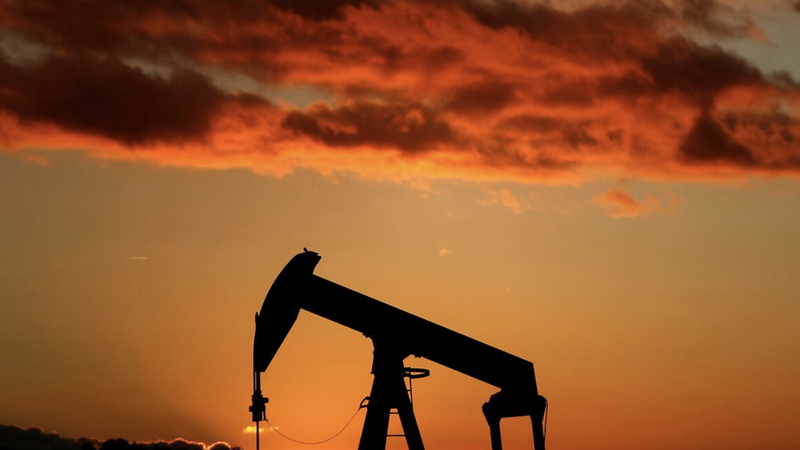
Despite a sharp decline in inflation to 15.06% in February 2026—down from 33% in December 2024—the World Bank warns that renewed price pressures could destabilize progress. Nigeria’s Bonny Light crude, a key revenue source, has surged past $120 per barrel, up from $70–$73 before the conflict, boosting foreign exchange earnings but exacerbating domestic inflation.
Edun, who chairs the G24 group of developing nations, stressed the government’s commitment to attracting private investment, creating jobs, and shielding vulnerable populations from economic shocks. The outcome of this week’s meetings could prove pivotal for Nigeria’s reform trajectory and regional economic stability.