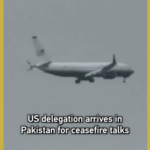
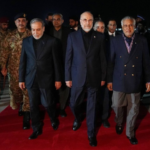
The latest round of high-stakes negotiations between the United States and Iran concluded in Islamabad early Sunday without a breakthrough, underscoring persistent disagreements over nuclear safeguards and sanctions relief. The talks, hosted by Pakistan, marked the third attempt since 2025 to bridge gaps between the two nations.
Key Sticking Points Remain
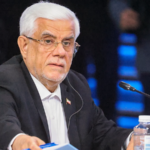
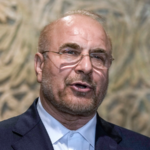
Iranian Parliament Speaker Mohammad Baqer Qalibaf led Tehran’s delegation, while U.S. Vice President JD Vance headed the American team, which included former Trump administration figures Steve Witkoff and Jared Kushner. Discussions centered on the Strait of Hormuz’s security framework, war reparations, and Iran’s nuclear program, with both sides accusing the other of inflexibility.
Divergent Post-Tail Statements
Vance described the U.S. proposal as its "final and best offer," emphasizing the need for Iran to demonstrate "sustained intent" to limit nuclear activities beyond immediate commitments. Iran’s Foreign Ministry spokesperson Esmaeil Baghaei countered on social media platform X, stating progress hinges on Washington abandoning "maximalist demands" and recognizing Tehran’s rights.
Pakistan’s Mediation Role
Pakistani officials facilitated bilateral meetings ahead of direct negotiations, adopting a compressed format compared to earlier rounds. While no further talks are scheduled, analysts suggest regional stability concerns might revive dialogue later this year.