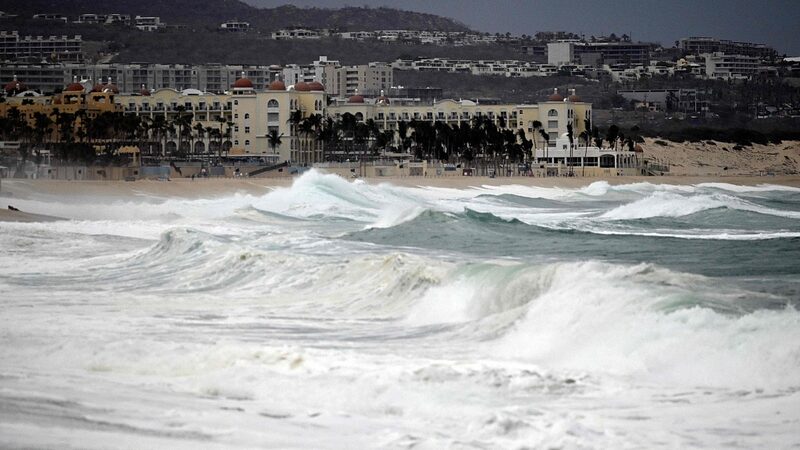
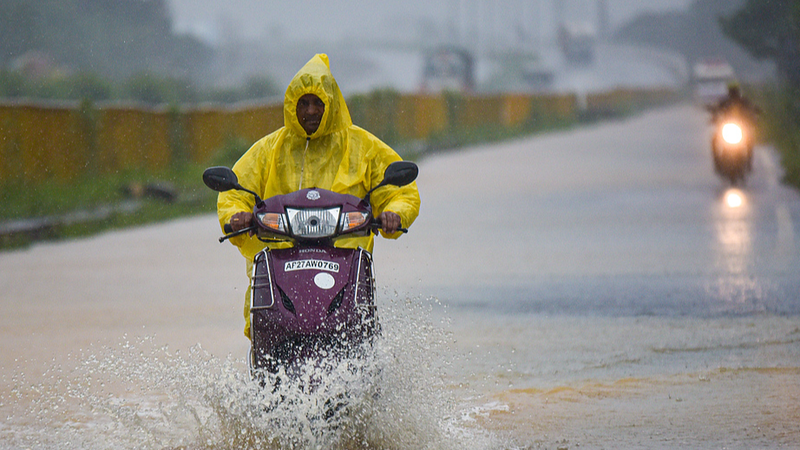
Two powerful tropical systems – Cyclone Maila and Typhoon Sinlaku – are drawing global attention to the Pacific Ocean this week, with meteorologists suggesting they could accelerate the development of El Nino conditions. As climate models hint at a potential "super El Nino" in 2026, scientists are closely monitoring these weather patterns for clues about their global implications.
The Climate Catalyst
El Nino, part of the El Nino–Southern Oscillation (ENSO) cycle, occurs when central and eastern Pacific sea surface temperatures rise at least 0.5°C above average. The current systems could enhance ocean-atmosphere feedback mechanisms critical to El Nino formation, though researchers caution that spring forecasts remain uncertain.
Why 2026 Stands Out
Recent projections from climate centers show increasing odds of El Nino development in late 2026. The World Meteorological Organization noted in March 2026 that neutral ENSO conditions are expected to transition through this year, with El Nino probabilities gradually rising. Some models suggest temperature anomalies could exceed 2°C – the threshold for a "super El Nino" – though scientists emphasize this remains speculative.
Global Implications
If a strong El Nino emerges, impacts could include:
Intensified cyclone activity in the Pacific
Potential drought conditions across Southeast Asia
Suppressed Atlantic hurricane development
New global temperature records
Historical super El Nino events have caused $96 billion in global economic losses, according to UN estimates.
Scientific Caution
While twin cyclones add intrigue, researchers stress the "spring predictability barrier" limits forecast accuracy until mid-year. "We're seeing interesting signals, but it's too early for definitive predictions," said Dr. Lin Wei of the Asia-Pacific Climate Research Consortium. "Our teams are monitoring ocean heat content and atmospheric responses daily."