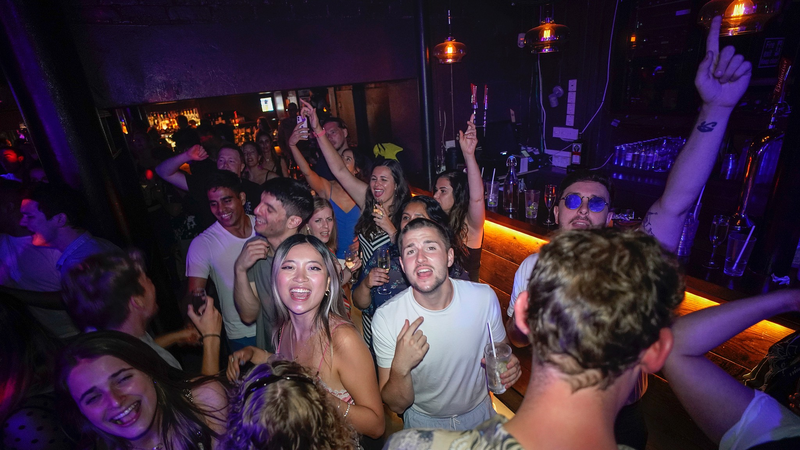
London's nightlife scene faces unprecedented challenges in 2026 as venues grapple with declining alcohol sales and evolving consumer preferences. Younger generations are reshaping the industry, prioritizing immersive experiences over traditional late-night drinking culture.
Decline in Alcohol Sales
Recent data from CGA reveals a 4.1% reduction in late-night venues since 2025, with total numbers remaining 28% below pre-pandemic levels. Alice Hoffmann-Fuller, a nightlife consultant, notes that 39% of 18-24 year olds now abstain from alcohol, forcing clubs to rethink business models historically dependent on bar revenue.
Nightlife Reimagined
Iconic venues like Corsica Studios, which closed its doors in March 2026 after 21 years, illustrate the sector's transformation. While attendance remained strong, programming manager Matt Wickings reported bar revenues halved since peak years. The closure follows similar struggles across London, where operating costs have risen 18% since 2023 according to UK Hospitality data.
Industry leaders emphasize adaptation, with successful venues incorporating daytime events, live performances, and themed experiences. "People aren't rejecting nightlife – they're demanding more memorable connections," says frequent club-goer Alex Guiste, 27. Several major venues have expanded offerings this year, including hybrid spaces combining dining with experimental music programming.
UK Hospitality chair Kate Nicholls observes: "The £154 billion night-time economy isn't disappearing – it's diversifying. Successful operators understand that in 2026, quality of experience trumps quantity of alcohol sales."