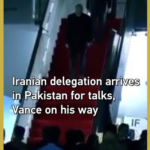
High-stakes negotiations between Iran and the United States to end a six-week military conflict concluded without a deal on Sunday, April 12, 2026, raising fears of renewed hostilities and further disruptions to global energy markets. The talks, held in Islamabad, ended after 21 hours of tense discussions, with both sides accusing each other of intransigence.
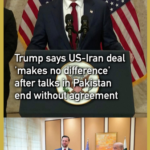
U.S. Vice President JD Vance, leading the American delegation, stated, "The bad news is that we have not reached an agreement… It's time for Iran to recognize our red lines." Iran's Parliamentary Speaker Mohammad Baqer Qalibaf countered on social media platform X, claiming the U.S. failed to "earn our trust" despite Tehran's "forward-looking initiatives."
The collapse jeopardizes a fragile ceasefire that has temporarily halted fighting responsible for thousands of casualties and soaring oil prices. Analysts warn the impasse could destabilize regional security and strain economies reliant on Middle Eastern energy exports.
With delegations from both nations now departed from Pakistan, international observers express concern over potential escalation. The conflict has already impacted shipping lanes in the Strait of Hormuz, through which 20% of global oil exports pass.