High-stakes negotiations between the United States and Iran commenced in Islamabad on Saturday, April 12, 2026, amid cautious optimism and escalating regional tensions. The talks, mediated by Pakistan, aim to secure a lasting ceasefire and address disputes over Iran’s nuclear program and Middle East security. The discussions unfold alongside emerging diplomatic efforts between Israel and Lebanon, signaling a potential shift in regional dynamics.
Ceasefire Agreement and Delegations
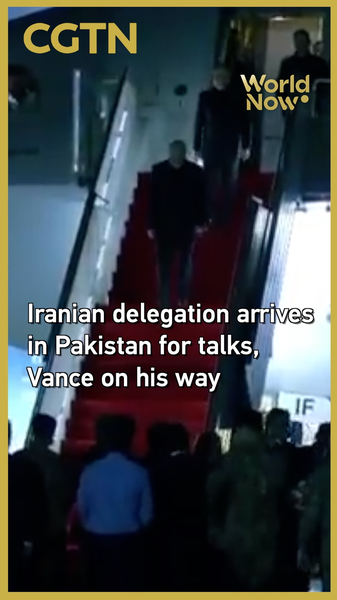
Iran’s 71-member delegation, led by Parliamentary Speaker Mohammad Baqer Qalibaf and Foreign Minister Seyed Abbas Araghchi, arrived in Islamabad on Friday. The team includes experts in economic, security, and political fields, reflecting Tehran’s multifaceted priorities. The US delegation, headed by Vice President JD Vance, emphasized cautious optimism, with Vance stating outcomes depend on Iran’s willingness to negotiate in good faith.
Trust Issues and Demands
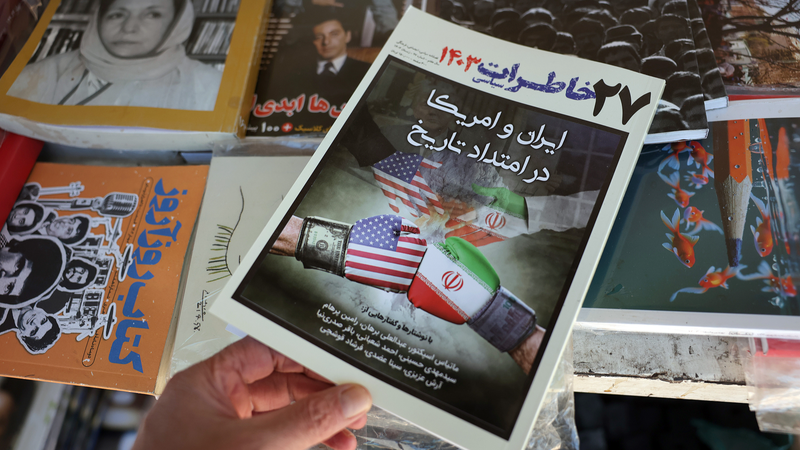
Qalibaf reiterated Iran’s demand for the US to unblock frozen assets and honor a ceasefire in Lebanon before formal talks proceed. He stressed Tehran’s readiness for a "genuine agreement" but cited a lack of trust in Washington. Meanwhile, former US President Donald Trump warned via the New York Post that failure to secure a deal could lead to renewed military strikes, claiming US warships are "reloaded" for action.
Regional Implications
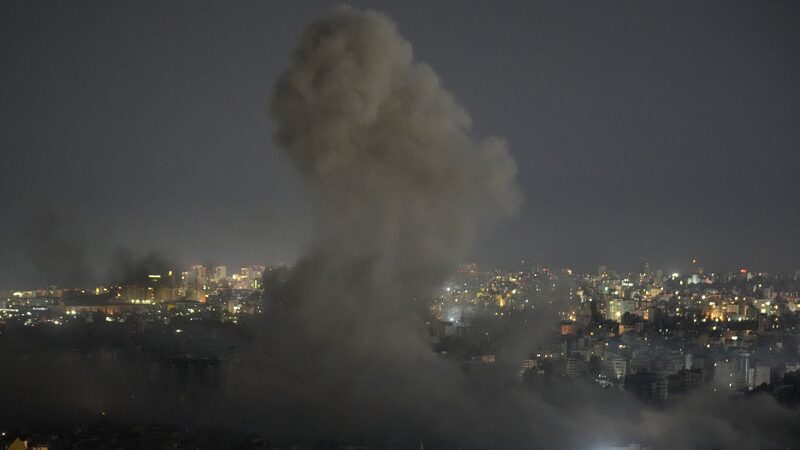
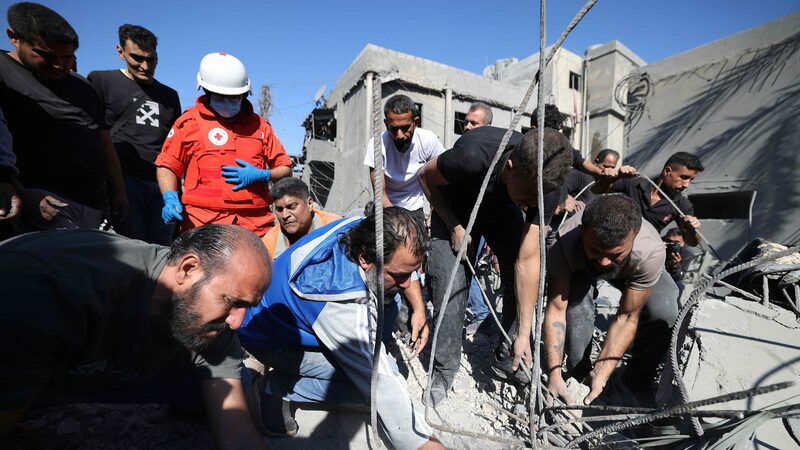
Parallel efforts to ease Israel-Lebanon tensions add complexity to the talks. While details remain scarce, analysts suggest the dialogue could influence broader Middle East stability. Pakistani Prime Minister Shehbaz Sharif described the negotiations as a "make-or-break phase," urging both sides to prioritize de-escalation.
Path Forward
Key US demands include Iran surrendering enriched uranium stockpiles and reopening the Strait of Hormuz. Tehran has yet to respond publicly, but Qalibaf’s social media posts underscore Iran’s insistence on tangible concessions. As the 14-day ceasefire window begins, global observers await clarity on whether diplomacy can prevail over brinkmanship.